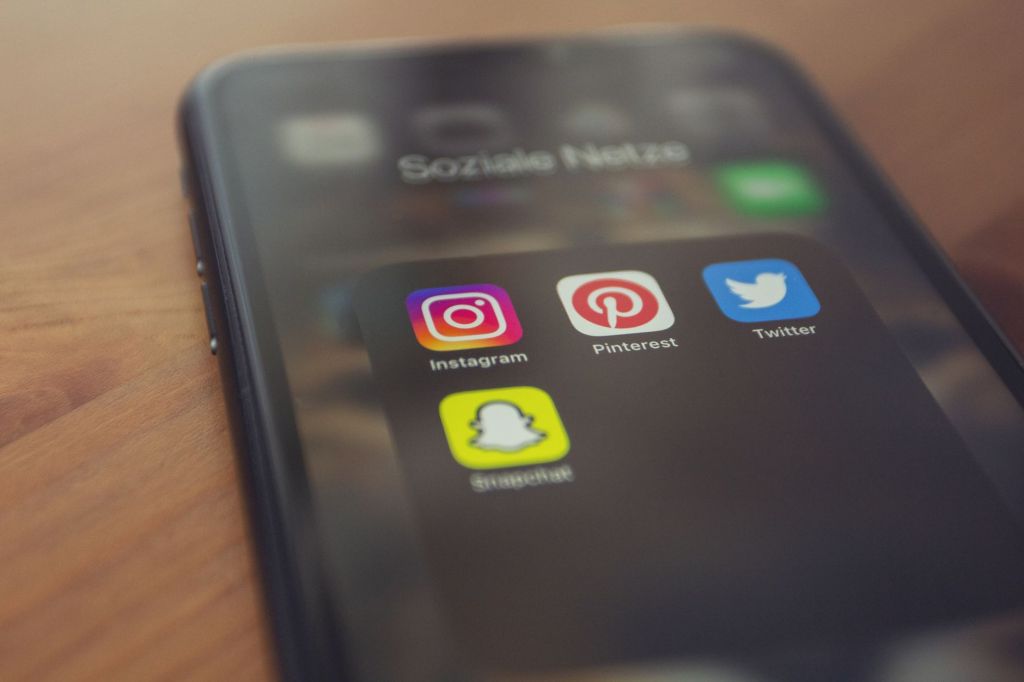
In an age where information is available at the touch of a button, staying informed about world events has never been easier. From breaking news and political conflicts to economic uncertainty, natural disasters and personal tragedies, social media and online news platforms provide a continuous stream of information. However, this constant access to information has also encouraged a habit known as doomscrolling, which can have consequences for our mental wellbeing, sleep and everyday lives.
What Is Doomscrolling?
Doomscrolling describes the habit of repeatedly scrolling through negative or distressing online content, often for much longer than originally intended. Although people may begin by checking the news to understand what is happening in the world, they can find themselves moving from one alarming headline to another without feeling any better informed or reassured.
The behaviour became particularly noticeable during the COVID-19 pandemic, when people sought frequent updates about infections, restrictions and uncertainty. Since then, the term has become widely associated with the way people consume news about international conflicts, political developments, financial pressures and other challenging events.
The desire to remain informed is understandable. The difficulty arises when information gathering becomes repetitive and begins to affect a person’s emotional state or daily routine.
The Impact on Mental Wellbeing
One of the principal concerns surrounding doomscrolling is its association with increased stress, anxiety and psychological distress.
Repeated exposure to upsetting information can encourage people to dwell on problems they cannot directly influence. Reading about international conflicts, crime, economic instability or environmental threats may create a sense that danger and uncertainty are constantly present.
Research published in Frontiers in Psychology in September 2026 reviewed existing studies examining doomscrolling and psychological wellbeing. The researchers found associations between doomscrolling and higher levels of anxiety, depression and psychological distress, alongside lower reported wellbeing and life satisfaction.
However, the researchers also emphasised an important distinction: the available evidence does not establish that doomscrolling directly causes these outcomes. Much of the research is correlational, meaning that other factors may contribute to the relationship.
Nevertheless, the findings highlight why it is worth paying attention to how frequently we consume negative online information and how it makes us feel.
Why We Keep Scrolling
One of the more interesting aspects of doomscrolling is that people often continue even when they recognise that the experience is making them feel worse.
Part of the explanation may lie in the human desire to understand potential threats. When something frightening or uncertain happens, seeking information can feel like a sensible way to prepare for what might come next.
However, receiving one update can lead to further questions, encouraging another search, another headline or another visit to a social media feed.
Digital platforms can reinforce this behaviour through features such as infinite scrolling and personalised content recommendations. These features make it easy to continue consuming information without reaching a natural stopping point.
The result can be a cycle in which concern encourages further searching, but the additional information creates even more concern.
Importantly, this does not mean that everyone who follows negative news experiences psychological difficulties. Individual circumstances, existing stress levels, personal resilience and the amount of time spent consuming such content can all influence the experience.
Sleep, Concentration and Everyday Life
The effects of doomscrolling may extend beyond how people feel emotionally.
For some individuals, repeatedly checking news and social media can interfere with sleep, particularly when it becomes part of their bedtime routine. Distressing stories may remain in the mind after a person puts down their phone, making it more difficult to relax and settle for the night.
A 2025 survey commissioned by the American Academy of Sleep Medicine found that 38% of surveyed adults in the United States reported that using a phone or tablet before bed to view news or current events made their sleep slightly or significantly worse.
Although this was a self-reported survey rather than proof that doomscrolling causes sleep problems, it illustrates how late-night news consumption can affect people’s experience of rest.
Concentration can also suffer when frequent checking interrupts work, reading, conversations or other activities. Repeatedly switching attention between everyday responsibilities and distressing online updates may make it harder to remain focused.
Over time, excessive scrolling can also take time away from activities that support wellbeing, including exercise, hobbies, social interaction and relaxation.
The Difference Between Staying Informed and Becoming Overwhelmed
It is important to recognise that negative news is not inherently harmful. Journalism plays an essential role in informing the public, holding powerful institutions accountable and helping people understand significant events.
Being aware of political decisions, public health developments, international affairs and local issues can help individuals make informed choices.
The challenge is finding a healthy balance between awareness and excessive exposure.
Reading a reliable news report, understanding the facts and moving on with the day is different from repeatedly checking multiple platforms for updates that provide little new information.
A more balanced approach allows people to remain engaged with the world without feeling compelled to monitor every development as it happens.
Practical Ways to Reduce Doomscrolling
Reducing doomscrolling does not necessarily require abandoning social media or avoiding the news altogether. Small changes in everyday habits can help establish healthier boundaries.
Set specific times for checking the news. Rather than opening news apps throughout the day, consider choosing a few convenient times to catch up on important developments.
Choose reliable sources. Following established news organisations and checking original reports can help reduce exposure to repetitive headlines, speculation and unverified claims.
Recognise when enough is enough. If you have already understood a story and further updates are not providing meaningful information, there may be little benefit in continuing to scroll.
Protect your bedtime routine. Consider putting your phone aside before sleep and choosing a more relaxing activity, such as reading, listening to music or practising a quiet evening routine.
Make time for offline activities. Walking, exercising, cooking, reading and spending time with friends or family can provide a welcome break from the constant flow of online information.
Pay attention to your emotional response. If reading the news repeatedly leaves you feeling anxious, overwhelmed or unable to concentrate, consider taking a break and reviewing your online habits.
These measures are not about ignoring serious events. They are about consuming information in a way that supports rather than undermines everyday wellbeing.
Reclaiming Control of Our Attention
Modern technology has made it possible to follow events unfolding almost anywhere in the world. That access brings considerable benefits, but it also creates a situation in which negative information can occupy a disproportionate amount of our attention.
The ability to disconnect temporarily is therefore becoming an important part of maintaining a balanced relationship with technology.
Taking a break from constant updates does not mean being indifferent to other people’s difficulties or losing interest in the wider world. It simply recognises that individuals have limited time, energy and attention.
In many cases, being better informed does not require reading every headline, watching every update or following every developing story.
Instead, it may be more valuable to choose information carefully, understand the facts and then return to the activities that give everyday life meaning.
Conclusion: A Healthier Relationship with the Digital World
Doomscrolling reflects one of the challenges of living in an increasingly connected society. While online platforms provide immediate access to important information, the continuous consumption of negative content can be associated with anxiety, psychological distress, reduced wellbeing and disrupted sleep.
Research in this area is still developing, and further studies are needed to establish cause and effect. Nevertheless, there are good reasons to examine our digital habits and consider whether the time spent following negative news is genuinely helping us.
Staying informed remains important, but so does protecting our peace of mind.
A healthier relationship with the digital world begins with understanding that we can remain aware of what is happening around us without allowing an endless stream of information to dominate our attention.
Sometimes, the most productive thing we can do after catching up with the news is to put the phone down, step away from the screen and return to living our lives.





Leave a Reply