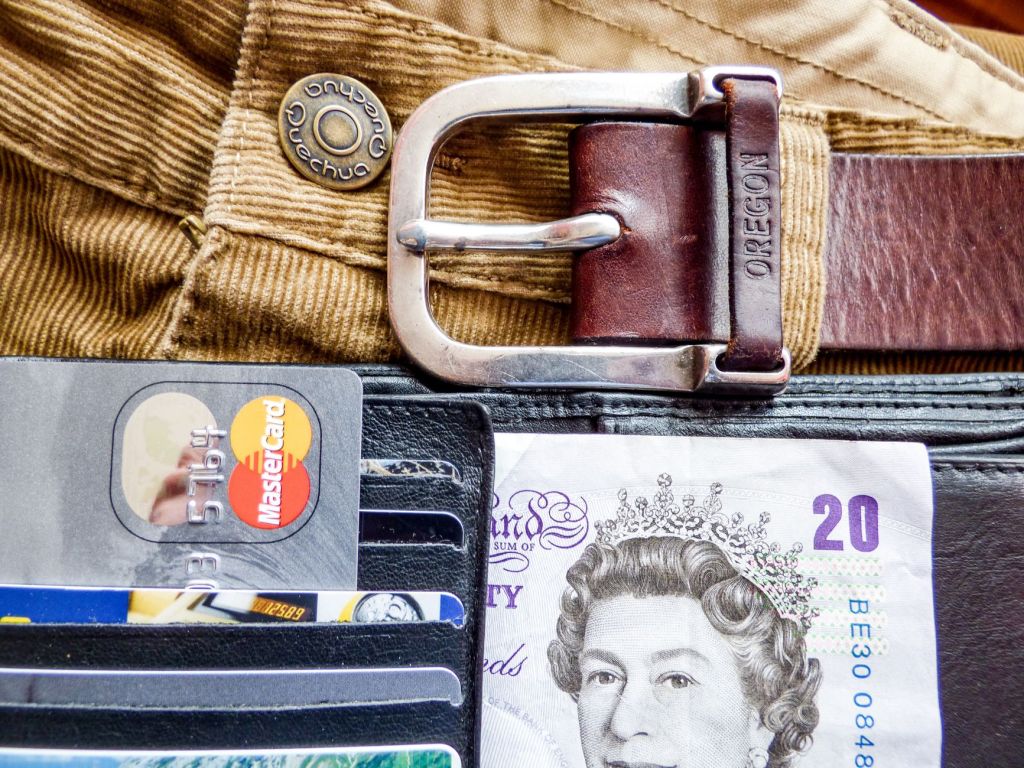
Why a Simpler Approach to Money Can Lead to Greater Freedom, Less Stress and a More Meaningful Life
In a world where advertising, social media and consumer culture constantly encourage people to buy more, the idea of spending less might seem like a step backwards. However, reducing unnecessary spending can offer significant benefits, helping people regain control of their finances, reduce financial pressure and focus on the things that genuinely improve their quality of life.
Spending less does not necessarily mean living with less enjoyment. In many cases, it means making more deliberate decisions about how money is used and discovering that a satisfying lifestyle does not always require a high level of consumption.
The Connection Between Money and Wellbeing
Money plays an important role in everyday life. It provides access to essentials such as housing, food, transport and healthcare, while also offering opportunities for leisure, education and personal development.
However, financial pressure can affect emotional wellbeing. Worrying about bills, credit commitments and rising living costs can create ongoing stress, particularly when expenditure consistently exceeds income.
Reducing unnecessary spending can help ease some of this pressure. Even relatively small changes, such as reviewing subscriptions, preparing meals at home or limiting impulse purchases, can free up money for essential expenses and future priorities.
The benefits depend on individual circumstances, but having greater control over personal finances can provide a stronger sense of security and independence.
Spending Less Does Not Mean Sacrificing Quality
One common misconception is that spending less automatically means accepting a lower standard of living. In reality, a more considered approach to spending can sometimes improve everyday life.
For example, buying fewer clothing items but choosing versatile, durable pieces can create a more practical wardrobe. Preparing meals at home can offer opportunities to explore new recipes while managing food costs. Choosing a walk in the countryside, a visit to a library or an evening with friends can provide enjoyment without requiring substantial expenditure.
The key is distinguishing between reducing costs and reducing quality of life.
There are situations where spending more on a reliable product, good-quality footwear or an essential service can represent better long-term value. The objective is not to choose the cheapest option every time, but to consider whether a purchase genuinely justifies its cost.
Breaking Free from Consumer Pressure
Modern consumer culture often associates happiness and success with possessions. Expensive clothing, the latest technology, luxury holidays and fashionable accessories can become symbols of achievement.
Social media can reinforce these expectations by presenting carefully selected images of other people’s lifestyles. Constant exposure to such content may encourage comparisons and create the impression that personal success depends on keeping up with others.
However, purchasing decisions influenced by comparison or social pressure do not always deliver lasting satisfaction.
Spending more deliberately can help people establish their own priorities rather than following expectations created by advertising or online trends.
This does not mean rejecting fashion, technology or luxury altogether. It means choosing these things because they offer genuine enjoyment or practical value, rather than feeling compelled to own them simply because they are popular.
The Benefits of Financial Breathing Space
One of the most practical advantages of spending less is the opportunity to build financial breathing space.
Money saved through reduced discretionary spending can contribute towards an emergency fund, help pay down expensive debt or support future goals.
An emergency fund can be particularly valuable when unexpected expenses arise, such as a household repair, a broken appliance or an unforeseen change in income.
Having savings available may reduce the need to rely on borrowing when difficulties occur. For people who are able to save, even a modest amount set aside regularly can gradually build into a useful financial reserve.
Nevertheless, it is important to recognise that not everyone has the same opportunities to save. Housing costs, low wages, caring responsibilities and other essential expenses can leave some households with very little flexibility. Spending less is not always enough to overcome financial hardship, and financial difficulties should not automatically be viewed as the result of poor personal choices.
More Experiences, Fewer Impulse Purchases
Reducing unnecessary consumption can also encourage people to reconsider how they spend their time.
Rather than automatically turning to shopping for entertainment, individuals may discover enjoyment in activities that place less emphasis on buying things.
Reading, walking, learning a skill, cooking, gardening, listening to music and spending time with loved ones can all contribute to a fulfilling lifestyle.
Many of these activities are relatively inexpensive, although some require equipment, transport or other initial costs.
Experiences can also create lasting memories and strengthen relationships. While money is sometimes necessary to access particular opportunities, meaningful experiences do not always have to involve expensive restaurants, luxury destinations or costly entertainment.
The value often lies in the activity itself and the people involved.
A Simpler Lifestyle Can Reduce Waste
Spending less can also have environmental benefits when it involves buying fewer unnecessary products, repairing possessions and making better use of existing resources.
Manufacturing, transporting and disposing of consumer goods requires materials and energy. Extending the useful life of clothing, electronics, furniture and household equipment can reduce the need for replacement purchases and help limit waste.
Buying second-hand, borrowing items that are rarely needed and repairing damaged possessions can be practical alternatives to purchasing everything new.
However, the environmental impact of a purchase depends on several factors, including how it was manufactured, how long it lasts and what happens when it is no longer needed.
A lower price alone does not guarantee a more sustainable choice. Durability, usefulness and responsible consumption are also important considerations.
Learning to Spend With Intention
A healthier relationship with money begins with understanding where it goes.
Reviewing bank statements, identifying unused subscriptions and distinguishing essential expenses from optional purchases can reveal opportunities to make changes.
A useful approach is to pause before making non-essential purchases and ask a few simple questions.
Will this item improve my life in a meaningful way? Do I genuinely need it, or am I responding to a temporary desire? Could the money be put towards something more important?
These questions are not intended to eliminate spontaneous enjoyment. Instead, they encourage people to make decisions that reflect their circumstances, values and long-term goals.
It is equally important to allow room for pleasure. A favourite meal, a new book or an occasional treat can be part of a balanced lifestyle when it fits within an individual’s means.
Financial discipline should not become a source of constant guilt or deprivation.
Finding the Right Balance
There is no single spending level that guarantees happiness or wellbeing. People have different incomes, responsibilities, interests and aspirations, meaning that a lifestyle that works well for one person may be unsuitable for another.
For some, spending less might mean reducing luxury purchases. For others, it could involve making more economical food choices, reviewing household bills or avoiding unnecessary debt.
The most effective approach is one that improves financial stability without removing the activities and comforts that make life enjoyable.
It is also worth remembering that spending less is not always the same as living better. Money spent on education, preventative healthcare, reliable equipment or meaningful experiences may contribute more to long-term wellbeing than money saved at any cost.
The goal is to make money serve a person’s life rather than allowing spending habits to dictate it.
Conclusion: A Richer Life Does Not Always Cost More
Can spending less improve your lifestyle? For many people, the answer is yes, particularly when reducing expenditure creates greater financial security, reduces unnecessary pressure and makes room for more meaningful priorities.
A simpler approach to consumption can encourage people to appreciate what they already own, value their experiences and become more conscious of the difference between genuine needs and temporary desires.
It can also help create opportunities to save, prepare for unexpected expenses and work towards future ambitions.
Ultimately, a fulfilling lifestyle is not measured solely by the number of possessions a person owns or the amount of money they spend. It is shaped by a combination of financial security, relationships, health, personal interests and the freedom to make choices that reflect individual values.
Spending less is not about denying yourself a good life. It is about discovering which parts of that life are genuinely worth paying for.
Sometimes, the most valuable improvement is not having more, but making better use of what you already have.








Leave a Reply