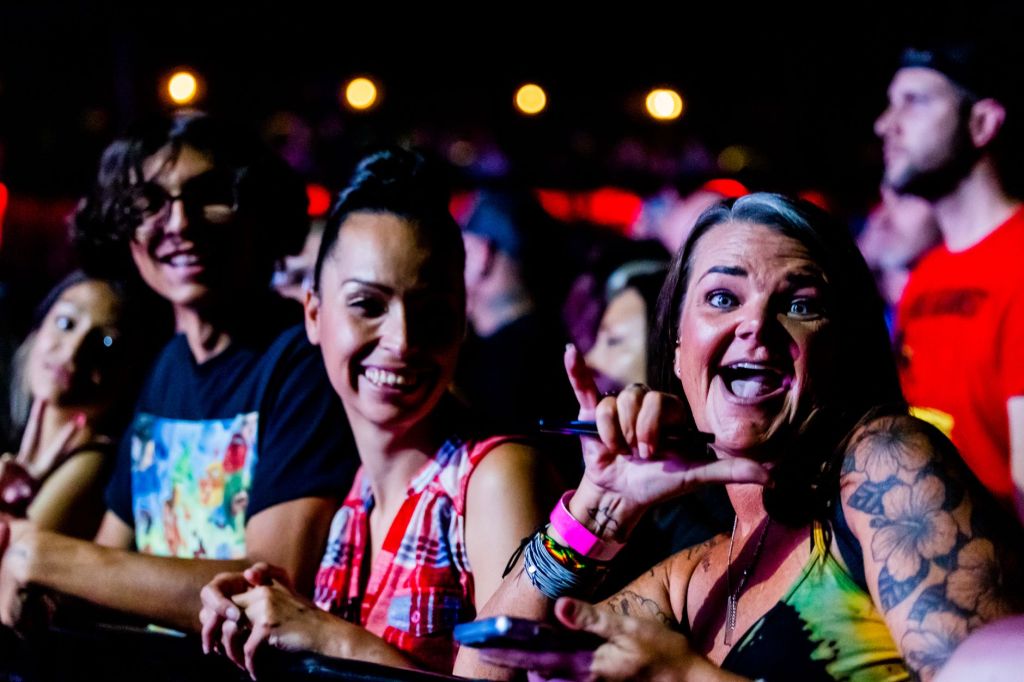
Concerts have always been a powerful way for people to experience music, but in recent years, live performances have increasingly become much more than opportunities to hear favourite artists perform. They have evolved into major cultural experiences, combining music, fashion, technology, travel, social connection and personal expression.
For many fans, attending a concert is no longer simply about listening to songs. It is about being part of something memorable, sharing an experience with others and creating moments that can last long after the final song has been played.
The Power of Shared Experiences
One of the greatest attractions of a live concert is the feeling of collective excitement. Thousands of people can come together, often from different backgrounds and generations, united by their appreciation of the same artist or musical genre.
Singing familiar lyrics alongside a crowd, hearing a favourite song performed live and experiencing the atmosphere of a packed venue can create a powerful sense of belonging. For a few hours, strangers can share an emotional connection through music.
This social element is particularly important in an increasingly digital world. Although streaming services and social media make music more accessible than ever, they cannot fully reproduce the experience of standing in a crowd and hearing a performance unfold in real time.
Concerts offer a physical, shared experience that exists beyond a screen.
Fashion and Personal Expression
Fashion has also become an important part of concert culture. From carefully selected outfits inspired by an artist’s album or musical era to distinctive streetwear and vintage clothing, what people wear can become part of the occasion.
Some fans spend considerable time planning their outfits, while others use concerts as an opportunity to experiment with personal style. The event becomes a space where people can express their identity, creativity and connection to the music they love.
This relationship between music and fashion is not new. Musical movements have influenced clothing for decades, from punk and rock to hip-hop and electronic dance music. However, the growth of online communities has made these connections more visible, allowing concert fashion to become part of the wider cultural conversation.
For some attendees, the preparation and anticipation are almost as enjoyable as the performance itself.
The Rise of the Concert as a Destination
Major concerts increasingly influence travel plans and tourism. Fans may travel between cities or even countries to see a particular artist, turning a single performance into a wider holiday or weekend experience.
This can benefit hotels, restaurants, transport providers, retailers and other local businesses. Large-scale tours can attract substantial audiences, bringing additional spending into the communities hosting them.
The economic influence of major tours became particularly visible during Taylor Swift’s Eras Tour, which attracted international attention not only for its performances but also for the travel and spending associated with its audiences. Other major artists and music festivals similarly demonstrate how live music can contribute to local economies.
For fans, meanwhile, travelling to see an artist can transform a concert into a personal adventure. Exploring a new city, meeting other fans and discovering local venues can become part of the overall memory.
Technology Has Changed the Experience
Modern concert production combines music with sophisticated lighting, enormous video displays, visual effects and carefully designed staging. These elements can transform a performance into an immersive spectacle.
Technology also allows artists to create distinctive visual identities for their tours, with stage designs and production choices that complement their music and storytelling. Large productions can make stadium performances feel cinematic, while smaller venues can offer a more intimate connection between performers and audiences.
Smartphones have introduced another dimension. Fans frequently record short clips, photograph memorable moments and share their experiences online. These posts can extend the life of an event beyond the venue, allowing people who were not present to see highlights and encouraging further interest in live performances.
However, there is an important balance to consider. Recording every moment can sometimes distract from the experience itself. For many concertgoers, the most meaningful memories are those enjoyed without looking through a screen.
Technology can enhance a concert, but the human connection between artist and audience remains central to its appeal.
Music, Wellbeing and Emotional Connection
Live music can also have a meaningful place in people’s emotional lives. Hearing a favourite song performed live may bring back memories, provide a sense of release or help people feel connected to others who share their interests.
Research into music and psychology has explored the relationship between musical engagement, emotional responses and social bonding. While the effects vary between individuals, music can provide enjoyment, help people express emotions and create opportunities for positive shared experiences.
Concerts can offer a temporary break from everyday routines, responsibilities and pressures. The anticipation before a performance, the energy of the crowd and the opportunity to immerse oneself in music can make attending an event feel restorative.
It is important not to regard concerts as a substitute for professional mental health support, but their capacity to provide enjoyment, connection and memorable experiences is an important part of their appeal.
The Community Behind the Music
Concert culture extends beyond the stage. Fan communities often develop around particular artists, albums and musical genres, creating opportunities for people to exchange recommendations, discuss performances and build friendships.
Online communities can help fans organise meet-ups, share travel advice and discover new music. At the same time, attending a live event gives these communities an opportunity to connect in person.
For emerging artists, concerts can also be essential spaces for developing a loyal audience. Smaller venues allow performers to build relationships with listeners, test new material and establish their identity within a musical community.
Independent venues, local promoters and grassroots music organisations play an important role in supporting these experiences. Their work helps maintain a diverse live music scene in which audiences can discover performers beyond the biggest international names.
The Economic Reality of Live Music
Despite their popularity, concerts can be expensive experiences. Ticket prices, travel, accommodation, food and merchandise can add up quickly, particularly for major tours or events requiring overnight stays.
This means the growing importance of concerts must also be considered alongside questions of affordability and access. Fans on limited budgets may struggle to attend major performances, while ticket availability and resale prices can create additional barriers.
Smaller venues, local performances and community music events can offer alternative ways to enjoy live music without the expense associated with major stadium shows. They can also provide audiences with opportunities to discover new artists and experience music in a different setting.
Ultimately, the value of a concert does not depend entirely on the size of the venue or the fame of the performer. A memorable evening at a small local venue can be just as meaningful as a major international production.
Why the Experience Matters More Than Ever
The growing appeal of concerts reflects a wider interest in experiences that can be enjoyed personally and shared with others. In a world where entertainment is readily available through streaming platforms, social media and on-demand services, a live performance offers something different: a specific moment that cannot be perfectly recreated.
The artist may perform the same song at another venue, but the audience, atmosphere and circumstances will never be identical. Each concert has its own character, making the experience feel individual even when thousands of people are present.
This sense of occasion helps explain why fans are willing to plan months ahead, travel long distances and save money to attend performances. They are not simply purchasing access to music; they are investing in an experience they hope will remain significant long afterwards.
Final Thoughts
Concerts have evolved into cultural events that bring together music, fashion, travel, technology, community and personal expression. Their appeal lies not only in the songs being performed but also in the atmosphere, anticipation and shared emotions surrounding the occasion.
For artists, live performances provide an opportunity to connect with audiences in a direct and immediate way. For local businesses, major events can generate economic activity. For fans, concerts can become treasured memories, social occasions and opportunities to feel part of something larger than themselves.
Music remains at the heart of the experience, but everything surrounding it has helped transform concerts into much more than musical events.
In the end, the lasting appeal of live music may be its ability to bring people together in a way that feels immediate, personal and uniquely human. Long after the lights go down and the crowd leaves, the experience can continue to live on through the memories, friendships and emotions it creates.









Leave a Reply