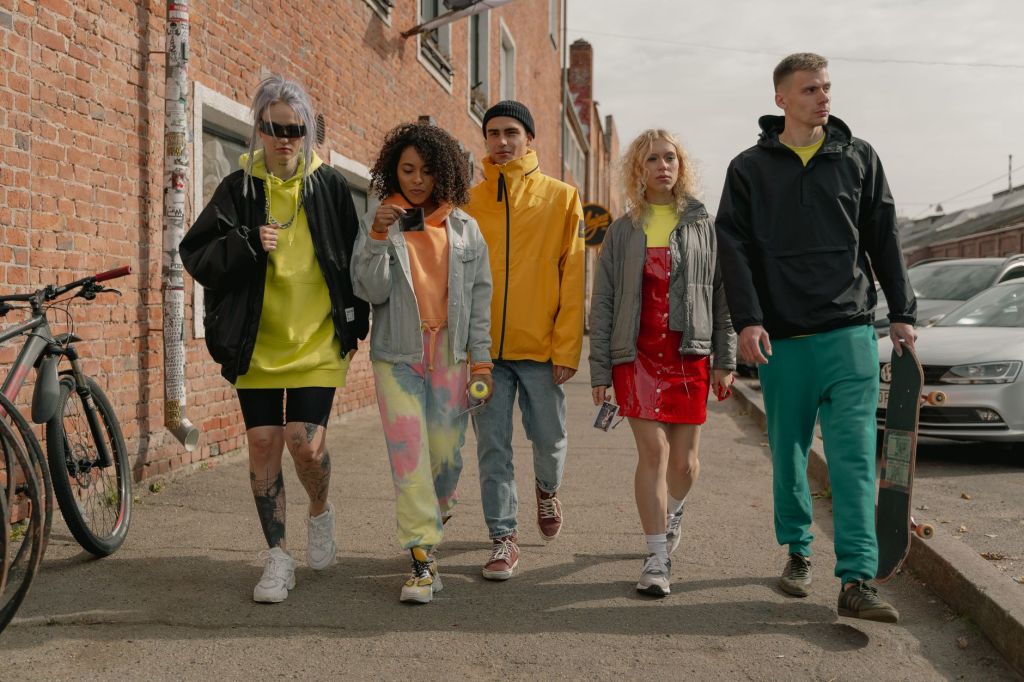
Fashion is more than a way of covering the body. It can be a form of self-expression, allowing people to communicate aspects of their personality, values, interests and identity through the clothes they choose to wear. From classic tailoring and understated elegance to bold colours and contemporary streetwear, personal style offers an insight into how individuals wish to present themselves to the world.
Although clothing cannot reveal everything about a person, it can provide a fascinating glimpse into the relationship between appearance, individuality and confidence.
Fashion as a Form of Self-Expression
One of the most significant ways fashion reflects personality is through self-expression. People often select clothing that reflects their tastes, interests and preferred way of living. Someone who enjoys traditional menswear, for example, may favour tailored suits, polished shoes and timeless accessories, while another person might feel more comfortable in relaxed clothing that prioritises practicality and freedom of movement.
Neither approach is inherently better than the other. Fashion allows individuals to make choices that suit their personalities, circumstances and lifestyles.
Clothing can also help people express creativity. Unusual combinations, distinctive accessories, striking patterns and unexpected colour choices can demonstrate a willingness to experiment with appearance. For others, simplicity is the defining feature of their style, with carefully selected basics and neutral colours providing a sense of consistency and understated sophistication.
The Psychology of Personal Style
The relationship between clothing and psychology has attracted considerable interest. Research into clothing and cognition suggests that what people wear can sometimes influence how they think, feel and behave, although these effects depend on context and individual experience.
Clothing can affect how people perceive themselves as well as how others perceive them. Wearing an outfit associated with professionalism, for example, may help someone feel more prepared for a meeting or formal occasion. Similarly, choosing clothing that feels authentic to an individual’s identity can contribute to a greater sense of comfort and confidence.
However, there is no universal formula connecting particular garments with specific personality traits. A person who wears black is not necessarily serious or reserved, just as someone who enjoys bright colours is not automatically outgoing. Fashion choices are influenced by many factors, including culture, upbringing, occupation, budget, personal taste and practical needs.
Understanding this distinction is important because appearance can suggest an impression without providing a complete picture of the individual wearing it.
What Colours Can Communicate
Colour plays an important role in fashion and can influence the impression an outfit creates. Black is frequently associated with sophistication, formality and versatility, while white can suggest simplicity, freshness and minimalism. Blue is often linked with calmness and reliability, whereas red may communicate energy, confidence or visual impact.
These associations are not universal rules. The meaning of colour varies across cultures, situations and personal experiences. A particular shade may hold sentimental significance for one person while having no special meaning for another.
Personal colour preferences can also change over time. Someone who once preferred bold, expressive colours may gradually develop an appreciation for muted tones, while another person may discover a greater interest in experimentation as their confidence grows.
Ultimately, colour provides another way for individuals to shape their appearance and express their preferences.
Classic Style, Modern Trends and Individuality
Fashion trends constantly evolve, but personal style does not always follow the same direction. Some people enjoy keeping up with seasonal collections and experimenting with contemporary designs. Others prefer timeless clothing that remains relevant regardless of changing trends.
Classic fashion often centres on quality, fit, simplicity and versatility. Tailored jackets, well-fitted trousers, crisp shirts and traditional footwear can create a polished appearance without relying on the latest trends. People who favour this approach may appreciate consistency, craftsmanship or the practicality of building a wardrobe around dependable pieces, although these preferences should not be mistaken for definitive personality traits.
Conversely, those who enjoy following trends may see fashion as an opportunity to explore new ideas, participate in cultural movements or continually reinvent their appearance.
Neither approach prevents individuality. Even an outfit inspired by a popular trend can become personal through the way it is styled, while traditional clothing can make a powerful statement when worn with confidence and purpose.
Clothing and Confidence
The connection between fashion and confidence is another important aspect of personal style. Clothing that fits well, feels comfortable and suits an individual’s preferences can help them feel more at ease in social and professional situations.
For some people, dressing formally is a daily expression of self-respect and professionalism. For others, confidence comes from wearing comfortable, practical clothing that allows them to move through the day without feeling restricted by expectations.
Fashion can also provide a sense of control over personal presentation. Although individuals cannot determine every impression others form of them, they can make deliberate choices about how they dress and what they wish to communicate.
This does not mean that expensive clothing is necessary for confidence. Understanding fit, selecting suitable colours and caring for garments can make a significant difference without requiring a large wardrobe or substantial spending.
Fashion, Culture and Personal Identity
Personal style is shaped by more than individual preference. Cultural traditions, family influences, professional expectations and social environments all contribute to the way people dress.
Traditional garments can express cultural heritage and belonging, while clothing associated with particular musical scenes, artistic movements or subcultures can communicate shared interests and values. Uniforms and professional dress codes also demonstrate how clothing can establish a sense of role, responsibility or group identity.
At the same time, individuals frequently adapt these influences to create a style of their own. A person might combine traditional tailoring with contemporary accessories or incorporate elements of different cultural influences into a wardrobe that reflects their experiences.
Fashion therefore operates on two levels: it can connect people to communities and traditions while also giving them the opportunity to express their individuality.
How Personal Style Changes Over Time
Fashion preferences are rarely fixed for life. Changes in age, career, relationships, lifestyle and personal priorities can influence how people choose to dress.
Someone who once prioritised following trends may later favour a smaller wardrobe of versatile essentials. Another person may become more experimental as they grow comfortable with their identity and develop a clearer understanding of what they enjoy wearing.
These changes do not necessarily indicate a change in personality. They may simply reflect new circumstances, changing needs or a different understanding of personal presentation.
Developing a personal style can be an ongoing process of discovery. Rather than attempting to fit a particular fashion category, individuals can gradually identify the colours, shapes, fabrics and garments that make them feel most comfortable and authentic.
Dressing for Yourself Rather Than Others
Fashion can be influenced by the desire to gain approval, meet professional expectations or fit into a particular social environment. While these considerations are sometimes practical or important, personal style can also offer an opportunity to move beyond external expectations.
Dressing for oneself means considering what feels appropriate, comfortable and meaningful rather than automatically following every trend or attempting to satisfy everyone else’s preferences.
This does not require ignoring social conventions. Instead, it involves finding a balance between understanding the situation and maintaining a sense of individuality.
A well-chosen outfit does not have to attract attention to be meaningful. Sometimes, the most personal style is a quiet expression of preference, consistency and self-knowledge.
Conclusion: Fashion as a Reflection of Individuality
Fashion provides a visual language through which people can express their tastes, cultural influences, interests and sense of identity. Whether someone prefers traditional tailoring, contemporary streetwear, minimalist clothing or bold, experimental combinations, their choices can contribute to the way they present themselves to the world.
However, clothing should be viewed as an expression of personality rather than a definitive measure of character. A person’s appearance may create an impression, but their values, experiences and behaviour offer a much deeper understanding of who they are.
Ultimately, the most meaningful personal style is not necessarily the most expensive, fashionable or attention-grabbing. It is the style that allows an individual to feel comfortable in their own identity, express their preferences and approach the world with confidence.
Fashion may influence how others see us, but its greatest value can lie in the opportunity it gives us to decide how we wish to represent ourselves.









Leave a Reply