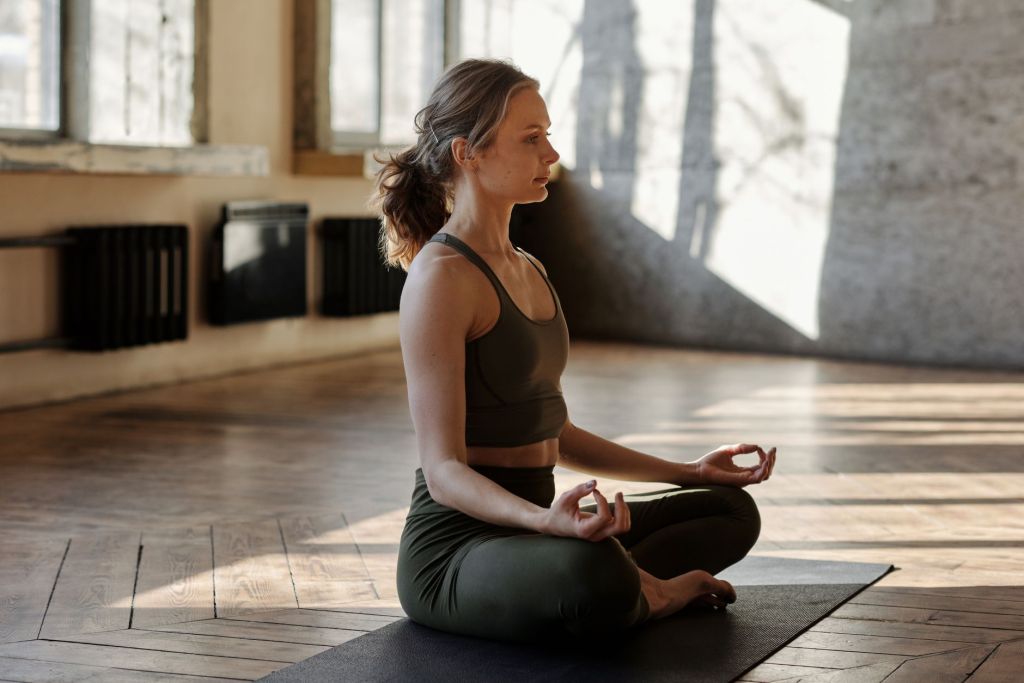
Modern life offers more ways to communicate, work and access information than ever before. Smartphones, social media, digital entertainment and the constant flow of online news can make it difficult to step away from external demands and give our minds a moment of rest. In this environment, meditation has become an important practice for people seeking greater calm, concentration and awareness in their everyday lives.
Meditation is not about escaping reality or attempting to eliminate every thought. Instead, it involves learning to pay attention to the present moment, often by focusing on the breath, bodily sensations, sounds or a particular word or phrase. When the mind wanders, the practice is to notice this without judgement and gently return attention to the chosen focus.
Understanding the Benefits of Meditation
Research into meditation, particularly mindfulness meditation, suggests that regular practice may help some people manage stress, improve emotional regulation and reduce symptoms of anxiety. However, results vary between individuals, and meditation is not a guaranteed solution to every psychological or emotional difficulty.
Mindfulness encourages people to become more aware of their thoughts and feelings without automatically reacting to them. Rather than becoming caught up in every worry or frustration, a person can learn to recognise what is happening internally and consider how best to respond.
This can be particularly useful in a world where people are frequently interrupted by notifications, messages and competing responsibilities. Although meditation cannot remove these distractions, it may help individuals become more deliberate about where they direct their attention.
The Challenge of Constant Distraction
Digital technology has transformed everyday life, providing valuable opportunities for education, communication and entertainment. However, repeatedly switching between tasks and responding to incoming notifications can fragment attention and make it harder to concentrate on one activity for an extended period.
The expectation of being constantly available can also make quiet moments feel unfamiliar. Waiting in a queue, travelling on public transport or sitting alone for a few minutes may prompt people to reach for their phones rather than allow their minds to rest.
Meditation offers an opportunity to change this pattern. By deliberately setting aside time without digital interruptions, people can practise remaining present without feeling the need to respond to every external stimulus.
The objective is not necessarily to abandon technology, but to develop a healthier relationship with it.
Starting With Just Five Minutes
One of the most accessible aspects of meditation is that it does not require expensive equipment, a specialist environment or lengthy sessions. Beginners can start with five minutes a day and gradually increase the duration if they find the practice helpful.
A simple mindfulness exercise involves sitting comfortably, relaxing the body and paying attention to the natural rhythm of breathing. Thoughts will inevitably arise. Rather than trying to suppress them, acknowledge their presence and gently bring attention back to the breath.
There is no need to judge a session as successful or unsuccessful based on how many thoughts occur. Recognising that attention has wandered and returning to the present is itself part of the practice.
Consistency can be more useful than attempting an ambitious routine that becomes difficult to maintain. A few quiet minutes in the morning, during a lunch break or before bed may provide a practical starting point.
Meditation and Emotional Wellbeing
Everyday life brings uncertainty, responsibility and emotional pressure. Meditation may help people recognise their emotional responses before acting on them, creating a little more space between a feeling and a reaction.
For example, someone experiencing frustration during a difficult conversation might learn to notice tension, acknowledge their emotions and pause before responding. This does not mean ignoring problems or avoiding necessary conversations. Instead, it can encourage a more considered response.
Meditation may also support self-awareness by helping people recognise recurring thoughts, habits and sources of stress. Greater awareness does not automatically resolve these difficulties, but it can be a useful first step towards making more intentional choices.
For some people, meditation becomes part of a wider approach to wellbeing that includes regular exercise, sufficient sleep, time outdoors, meaningful relationships and appropriate professional support when needed.
Creating Space for Stillness
Meditation does not have to be confined to a formal session. Mindfulness can also be practised through ordinary activities, such as drinking a cup of coffee, preparing a meal, walking outdoors or reading a book.
The principle is straightforward: give the activity your attention rather than automatically dividing it between several competing demands.
A mindful walk, for example, might involve noticing the surroundings, the sensation of movement and the sounds of the environment. During a meal, it might mean paying attention to the food rather than simultaneously scrolling through a phone.
These small changes can introduce moments of awareness into an otherwise busy day. They also demonstrate that being present does not always require withdrawing from daily responsibilities.
Is Meditation Suitable for Everyone?
Although many people find meditation helpful, it is not a universally comfortable experience. Sitting quietly with one’s thoughts can sometimes increase awareness of difficult emotions, anxiety or distress. Some individuals may find shorter sessions, guided exercises or movement-based practices more suitable.
Anyone who experiences persistent distress during meditation can stop, try a different approach or seek advice from a qualified healthcare professional. Meditation should complement appropriate care rather than replace necessary medical or psychological treatment.
It is also important to maintain realistic expectations. Meditation is a skill that develops through practice, and its benefits may be gradual rather than immediate.
Finding Balance in a Busy World
In a society that often rewards speed, productivity and constant availability, meditation offers a different approach. It encourages people to pause, observe their experiences and recognise that not every thought, message or demand requires an immediate response.
Its value lies not in achieving a perfectly quiet mind, but in developing a more conscious relationship with attention, emotions and everyday experiences.
Ultimately, meditation is a simple practice that can help create moments of stillness amid the noise of modern life. Whether practised for five minutes in the morning or incorporated into ordinary daily activities, it provides an opportunity to slow down and reconnect with the present.
In a distracted world, learning to give our attention deliberately may be one of the most valuable habits we can develop.









Leave a Reply