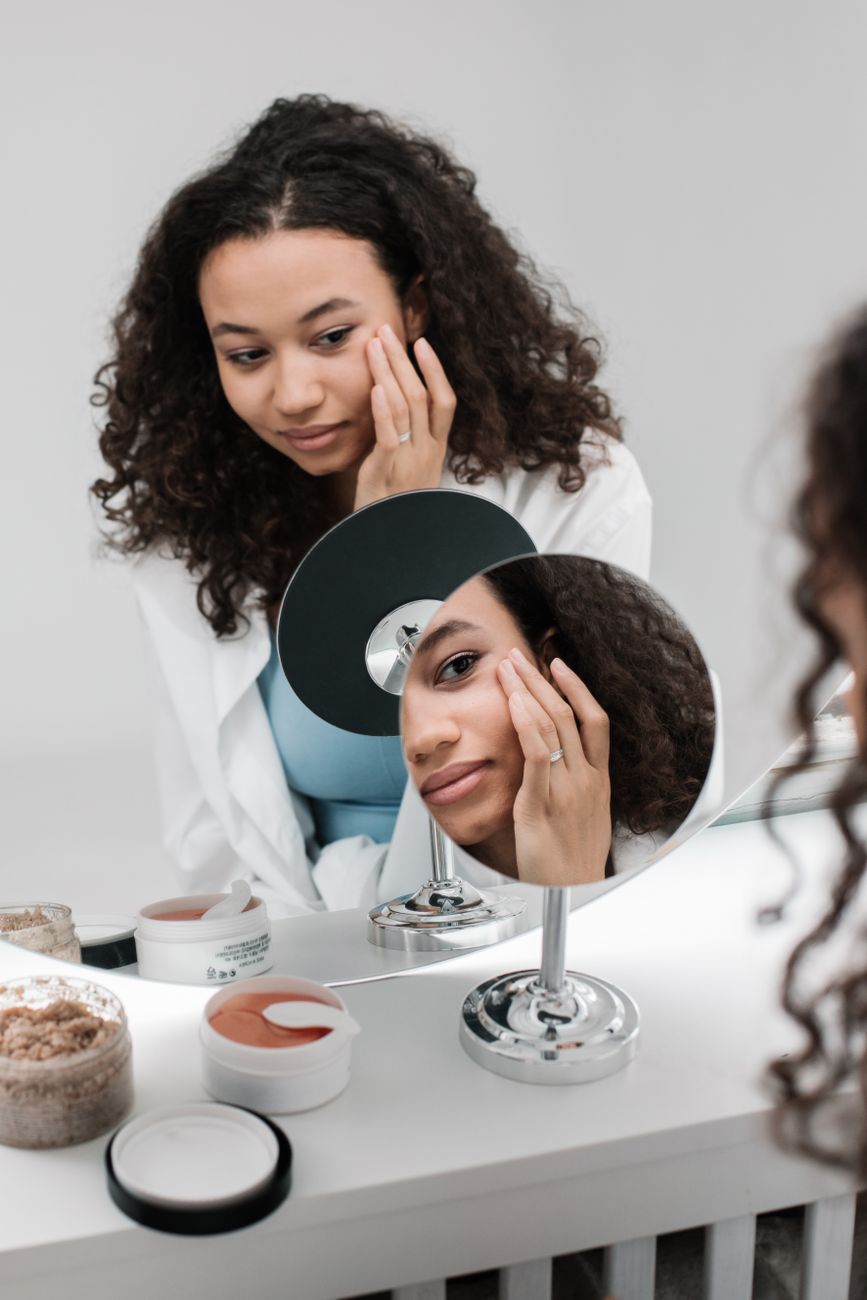
Beauty trends are constantly evolving, but some of the most enduring practices are those that have been passed down through generations. From nourishing hair oils and botanical skincare to facial massage and simple bathing rituals, traditional beauty practices are attracting renewed interest from people looking for a more thoughtful and personal approach to self-care.
In an age of sophisticated skincare technology, extensive beauty routines and ever-changing product launches, traditional rituals offer an alternative: slowing down, understanding individual needs and appreciating the value of consistency.
Rediscovering Beauty Traditions
For centuries, communities around the world have developed their own approaches to skincare, haircare and personal grooming. Many traditions use locally available ingredients, including plant oils, herbs, clays and botanical extracts.
Examples include olive oil in Mediterranean personal-care traditions, argan oil associated with Morocco, and rice-water haircare practices found in parts of East Asia. These practices reflect the relationship between beauty, culture, available resources and inherited knowledge.
Although traditional methods can be meaningful and enjoyable, their effectiveness varies. Natural ingredients are not automatically safer or more effective than modern formulations, and individual skin and hair types respond differently to treatments.
Nevertheless, the renewed appreciation of these practices highlights a wider interest in understanding what people use, why they use it and how it fits into their daily lives.
The Appeal of Simpler Skincare
One reason traditional beauty rituals remain appealing is their emphasis on simplicity. Rather than constantly introducing new products, a traditional approach may involve gentle cleansing, moisturising and protecting the skin from the sun.
Modern dermatology supports several of these principles. Consistent skincare, suitable moisturisers and broad-spectrum sun protection can help maintain the skin barrier and reduce the effects of ultraviolet exposure.
Facial massage is another practice that has attracted attention. When performed gently, it can provide a relaxing addition to a skincare routine. However, claims that massage permanently reshapes the face or reverses ageing are not supported by strong scientific evidence.
The attraction is often as much about the experience as the outcome: taking a few minutes to care for oneself without feeling pressured to follow every new trend.
Haircare Rooted in Tradition
Traditional haircare practices have also maintained their place in modern beauty culture. Hair oils, scalp massage and protective styling are examples of techniques used across different communities and generations.
Certain oils can help lubricate the hair, reduce friction and improve manageability. Coconut oil, for example, has research supporting its ability to reduce protein loss from hair under particular conditions.
However, no single oil works equally well for everyone. Hair texture, scalp condition and individual sensitivities all influence which products are appropriate. Heavy oils may also aggravate certain scalp problems or contribute to buildup when used excessively.
The most useful lesson from traditional haircare is not that one ingredient can solve every problem, but that understanding and caring for hair consistently can be more valuable than chasing every new product.
The Ritual of Bathing and Relaxation
Traditional bathing practices have long been associated with cleansing, relaxation and social connection. From communal bathing cultures to warm evening baths at home, water has played an important role in personal-care routines across the world.
A warm bath or shower can become a simple way to mark the transition between a busy day and a quieter evening. Combined with comfortable surroundings, gentle skincare and a few moments away from digital distractions, it can help create a sense of routine and relaxation.
There is an important distinction between relaxation and medical benefit, however. While a warm bath may feel soothing, claims that particular bathing rituals detoxify the body or cure health conditions should be treated cautiously. The body already has organs, including the liver and kidneys, that perform essential waste-processing functions.
Traditional rituals can still have value without exaggerated claims. Their appeal lies in creating time for personal comfort and care.
Natural Ingredients and Modern Safety
The growing interest in traditional beauty has also encouraged people to look more closely at ingredient lists and the origins of their products. Botanical extracts, plant oils and mineral-based ingredients feature in many contemporary formulations, bringing traditional influences into modern beauty routines.
However, natural does not always mean harmless. Essential oils and plant extracts can cause irritation or allergic reactions, while homemade preparations may lack the preservation systems used in commercially formulated products.
Water-based homemade skincare products can become contaminated with microorganisms if prepared or stored incorrectly. Applying ingredients such as lemon juice directly to the skin can also cause irritation and increase sensitivity to sunlight.
A sensible approach is to research ingredients, patch-test unfamiliar products and seek professional advice when dealing with persistent skin or scalp concerns. Traditional knowledge and modern scientific understanding can complement one another when safety remains a priority.
Beauty as a Form of Mindful Self-Care
Perhaps the greatest appeal of traditional beauty rituals is the opportunity to make self-care more intentional. A regular skincare routine, brushing and caring for the hair, or setting aside time for a relaxing bath can provide structure to an otherwise busy day.
These small activities may encourage people to pause, pay attention to their own needs and develop routines that feel personal rather than dictated by advertising or social media.
This does not mean rejecting modern beauty products or technology. Instead, it involves choosing what works, understanding why it is being used and recognising that personal care does not need to be complicated to be worthwhile.
A Modern Future for Traditional Beauty
The return of traditional beauty rituals represents an opportunity to appreciate the knowledge, cultural heritage and everyday practices that have influenced personal care for generations.
Some methods have scientific support, others offer mainly comfort or cultural significance, and some require caution. Understanding these differences allows people to enjoy traditional practices without assuming that age alone proves effectiveness.
Ultimately, beauty is not simply about appearance. It can also be about routine, confidence, cultural connection and the time people dedicate to themselves.
As beauty culture continues to evolve, traditional rituals remind us that sometimes the most rewarding approach is not to do more, but to be more thoughtful about what we already do.









Leave a Reply