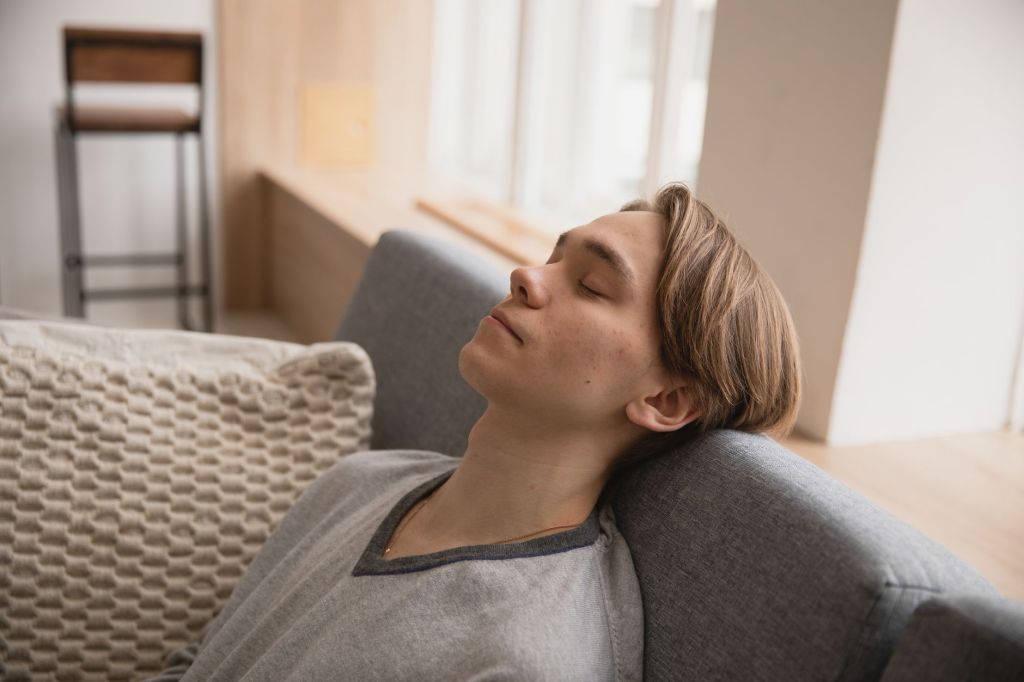
In a world where people are often encouraged to remain productive, stay connected and keep moving, the importance of taking a break can easily be overlooked. Yet rest does not always require a holiday, a full day away from responsibilities or hours of uninterrupted relaxation. Sometimes, a few quiet minutes can make a meaningful difference. This is the idea behind micro-rest: taking short, intentional breaks throughout the day to give the mind and body an opportunity to recover.
What Is Micro-Rest?
Micro-rest refers to brief periods of rest or recovery that can be incorporated into everyday routines. These moments might last anywhere from a few seconds to several minutes, depending on the activity and the individual’s circumstances.
Examples include stepping away from a computer screen, enjoying a cup of tea without distractions, listening to a favourite piece of music, stretching after sitting for a long period or simply sitting quietly and taking a few comfortable breaths.
Unlike longer periods of rest, micro-rest does not require extensive planning. Its greatest advantage is that it can fit into ordinary life, even when work, family responsibilities and other commitments leave little room for extended relaxation.
Why Short Breaks Matter
Concentration and mental effort require energy. When people spend long periods working on demanding tasks without a pause, they may experience tiredness, reduced concentration or difficulty maintaining attention.
Research into workplace breaks suggests that short breaks can help reduce fatigue and support wellbeing, although their effectiveness depends on the type of activity, the individual and the demands of the task. A brief pause cannot replace adequate sleep or proper recovery, but it can provide an opportunity to step back before returning to a responsibility with renewed attention.
Physical movement can also be beneficial. Standing up, changing posture or taking a short walk can interrupt prolonged sitting and provide a welcome change from a repetitive routine.
The purpose is not to turn every spare minute into a carefully managed wellness exercise. Instead, it is to recognise that people do not need to remain constantly occupied to make productive use of their time.
Simple Ways to Practise Micro-Rest
One of the most appealing aspects of micro-rest is its simplicity. It does not depend on expensive products, specialist equipment or a particular lifestyle.
Take a screen break. Looking away from a computer or phone and focusing on something in the distance can give tired eyes a welcome pause. Regularly changing focus and blinking can help reduce discomfort associated with prolonged screen use.
Enjoy a quiet drink. A cup of tea or coffee can become a small moment of relaxation when enjoyed without simultaneously checking emails, reading messages or completing another task.
Listen to music. A favourite song can provide a short emotional reset, offer enjoyment and create a moment of separation between one activity and the next.
Step outside. A few minutes in the fresh air, particularly in a green space, can provide a change of environment and an opportunity to move away from the pressures of an indoor routine.
Stretch and move. Gentle movement can relieve the discomfort associated with remaining in one position for too long. Even a brief change of posture can help break up prolonged sitting.
Sit in silence. Not every break needs to be filled with entertainment or conversation. Sitting quietly, breathing comfortably and allowing the mind to settle can be valuable in an otherwise busy day.
Micro-Rest and Emotional Wellbeing
Rest is not exclusively a physical requirement. People also experience emotional demands arising from work, relationships, family responsibilities and the constant flow of information available through modern technology.
Taking a short break from these demands can create space to reflect before reacting. For example, stepping away from a frustrating conversation or delaying a response to an irritating message may help someone approach the situation more calmly.
This does not mean that micro-rest will resolve emotional difficulties or eliminate stress. Its value is more modest: it creates an opportunity to pause rather than responding automatically to every demand placed upon us.
For some people, these small moments also encourage greater awareness of personal boundaries. Being available to everyone at every moment is not a requirement for being a caring partner, parent, friend or colleague.
Sometimes, the most constructive response is to recognise that a person needs a little time to themselves before continuing with the day.
The Connection Between Micro-Rest and Mindful Living
Micro-rest can also complement the principles of mindful living. Mindfulness involves paying attention to the present moment rather than becoming completely absorbed in thoughts about the past, worries about the future or the next item on a to-do list.
A short pause to notice the warmth of a drink, listen to the sounds around you or take a gentle walk can bring attention back to the immediate experience.
These moments do not need to involve formal meditation. They can be simple opportunities to experience everyday life without feeling compelled to do something else at the same time.
There is also a connection with emotional minimalism: the idea of being more selective about where personal attention and emotional energy are directed. Although emotional minimalism is not a formal clinical treatment, choosing to reduce unnecessary distractions and create moments of quiet can support a more intentional daily routine.
The aim is not to withdraw from responsibilities or relationships. It is to make room for rest without feeling guilty about it.
Why Micro-Rest Is Not a Replacement for Proper Rest
Although short breaks can be useful, they should not be mistaken for a substitute for adequate sleep, longer periods of relaxation or time away from sustained demands.
Adults generally need around seven to nine hours of sleep each night, although individual needs vary. Persistent exhaustion, difficulty concentrating or ongoing feelings of stress may require more substantial changes to daily routines or advice from a qualified health professional.
Micro-rest works best as one part of a broader approach to wellbeing. It can help break up a demanding day, but it cannot compensate indefinitely for insufficient sleep, excessive workloads or a lack of recovery time.
Recognising the difference is important because the purpose of rest should be to support a healthier routine, not to encourage people to tolerate an unsustainable one.
Making Small Breaks Part of Everyday Life
Incorporating micro-rest into a daily routine does not require a strict schedule. It may be as simple as pausing between tasks, stretching after a period of sitting or spending a few minutes away from a phone during lunch.
Some people may benefit from setting reminders, while others may prefer to take breaks naturally when they notice tiredness or declining concentration. The most suitable approach will depend on individual circumstances, working conditions and personal preferences.
The important point is to recognise that rest does not have to be earned through exhaustion. Small breaks can be a normal and sensible part of looking after ourselves.
Finding Value in Doing Less
Modern life often places considerable emphasis on achievement, activity and constant availability. However, a meaningful life is not measured solely by how much a person accomplishes in a single day.
Micro-rest offers a simple reminder that everyday wellbeing can be supported by small decisions: taking a breath before responding, enjoying a quiet moment, stepping outside or allowing the mind to rest between responsibilities.
These pauses may appear insignificant when considered individually, but they can help create a more balanced relationship with time, attention and energy.
Ultimately, micro-rest is not about doing less for the sake of it. It is about recognising when a brief pause may be more useful than pushing continuously forward.
Sometimes, improving everyday life does not require a dramatic change in circumstances. It begins with giving ourselves permission to stop, even for a few minutes, and simply rest.









Leave a Reply