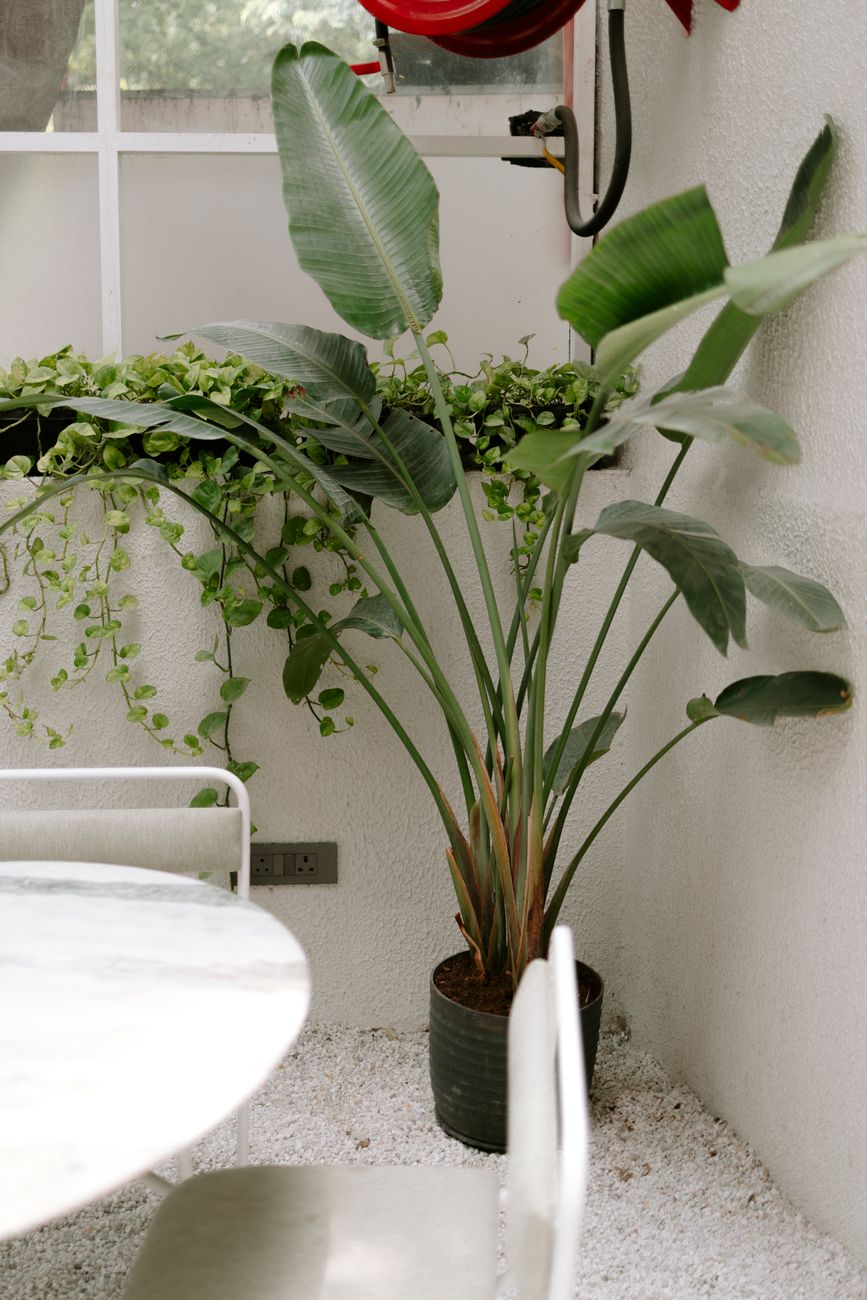
Plants have remained a popular feature of interior design for generations, bringing colour, texture and a sense of natural beauty into homes, offices and public spaces. Despite changing fashions and evolving design trends, indoor plants continue to hold their place in modern interiors. Their appeal lies not only in their appearance but also in the way they can influence the atmosphere and character of a room.
From a single flowering plant on a windowsill to an impressive collection of greenery in a living room, plants offer a simple way to make interior spaces feel more personal, welcoming and connected to nature.
Bringing Nature Indoors
One of the main reasons plants remain popular in interior design is their ability to introduce natural elements into built environments. Modern life often involves spending considerable time indoors, whether at home, in offices or in other enclosed spaces. Houseplants provide a visible connection to the natural world, introducing living colour and organic shapes into otherwise structured surroundings.
This connection is closely associated with the concept of biophilic design, an approach that seeks to incorporate nature and natural elements into buildings and interiors. Plants are one of its most recognisable features, alongside natural materials, daylight and views of the outdoors.
Although a few houseplants cannot replicate the experience of spending time in nature, they can help create an environment that feels more natural and visually engaging.
A Natural Way to Transform a Room
Plants can change the appearance of an interior without requiring major alterations to the space. Their varied shapes, sizes and colours make them versatile decorative features that work across many different design styles.
A tall plant can add height to an empty corner, while trailing varieties can soften the appearance of shelves and furniture. Smaller plants can introduce detail to desks, bedside tables and windowsills, creating points of interest without overwhelming a room.
Plants also provide contrast. Their organic forms can balance the straight lines of contemporary furniture, while their green foliage can complement neutral colour schemes, natural wood, stone and other traditional materials.
For interiors that feel overly minimal or uniform, greenery can introduce variety and help create a more balanced visual composition.
The Appeal of Greenery in Modern Homes
Contemporary interior design often places emphasis on simplicity, functionality and carefully selected decorative details. Plants fit naturally into this approach because they can make a noticeable contribution without requiring an abundance of additional ornaments.
A single statement plant can become a focal point in a minimalist living room, while a carefully arranged group of smaller plants can create a layered effect on a bookshelf or sideboard.
Greenery also works across a wide range of interior styles. In Scandinavian-inspired rooms, plants complement pale colours, natural wood and simple furnishings. In industrial interiors, they can soften exposed brick, metal and concrete. In traditional homes, flowering plants and established foliage can reinforce a sense of warmth and familiarity.
This adaptability helps explain why plants continue to feature in changing interior design trends. Rather than belonging to one particular style, they can be incorporated into almost any setting.
Plants and Everyday Wellbeing
The appeal of indoor plants extends beyond aesthetics. Research into indoor environments and contact with nature suggests that natural elements can contribute to a more pleasant atmosphere and may support aspects of psychological wellbeing.
For some people, caring for plants provides a small but meaningful daily routine. Watering, pruning and observing new growth can encourage attention to the present moment and offer a welcome break from screens and other everyday demands.
Plants may also help make workspaces feel more inviting. Their presence can introduce visual variety into environments dominated by computers, artificial materials and office furniture.
However, it is important to distinguish between potential benefits and proven effects. The impact of houseplants on mood and wellbeing varies between individuals and environments, and the presence of plants alone does not guarantee improved mental health or productivity.
Their value can nevertheless extend beyond decoration by helping people create surroundings they enjoy spending time in.
Choosing the Right Plants for Your Space
Successful indoor planting depends on choosing varieties suited to the conditions of a particular room. Light levels, temperature, humidity and available space all influence how well a plant will grow.
Rooms with bright natural light may accommodate plants such as succulents, jade plants and certain varieties of ficus. In spaces with lower light levels, some plants, including snake plants and pothos, may be more suitable, although all plants require appropriate light to remain healthy.
Maintenance is another important consideration. People with busy schedules may prefer varieties that generally require less frequent watering, while gardening enthusiasts might enjoy caring for plants that need more attention.
The container matters, too. Pots can complement an interior’s colour palette and materials, while appropriate drainage helps prevent waterlogged soil and root problems.
Rather than filling every available surface, selecting a few plants that suit the room can produce a more considered and attractive result.
The Importance of Responsible Plant Care
Indoor plants require more than occasional watering. Their needs differ according to species, season and growing conditions, making it important to understand the requirements of each variety.
Overwatering is a common problem, particularly when plants are kept in decorative pots without adequate drainage. Insufficient light, unsuitable temperatures and pests can also affect plant health.
There are practical considerations for households with pets, as some popular houseplants can be toxic if chewed or swallowed. Checking the safety of a plant before bringing it into a home is particularly important for owners of curious cats and dogs.
With suitable selection and care, indoor plants can remain attractive features for years rather than becoming short-lived decorative purchases.
A Timeless Feature of Interior Design
Interior design trends will continue to evolve, introducing new colours, materials, furniture styles and ways of arranging living spaces. Yet plants retain a distinctive advantage: they are living elements that bring natural variation into the home.
Their growth changes their appearance over time, and their seasonal needs create a different relationship with the space around them. Unlike many decorative accessories, plants are not entirely static. They develop, respond to their surroundings and require ongoing attention.
This living quality gives them a lasting appeal that extends beyond temporary fashions.
Bringing Life Into Everyday Spaces
Plants continue to transform interior spaces because they combine practical versatility with natural beauty. They can soften architectural lines, add colour to neutral rooms, introduce texture to carefully arranged interiors and create a stronger visual connection with the outdoors.
Whether used as a single statement feature or arranged throughout a home, greenery offers an accessible way to personalise a space without undertaking an expensive renovation.
Ultimately, the enduring popularity of indoor plants reflects a simple design principle: the most inviting interiors are often those that balance function, personal expression and a connection to the natural world. As homes increasingly serve as places to work, relax and recharge, plants remain a meaningful way to bring that balance indoors.









Leave a Reply