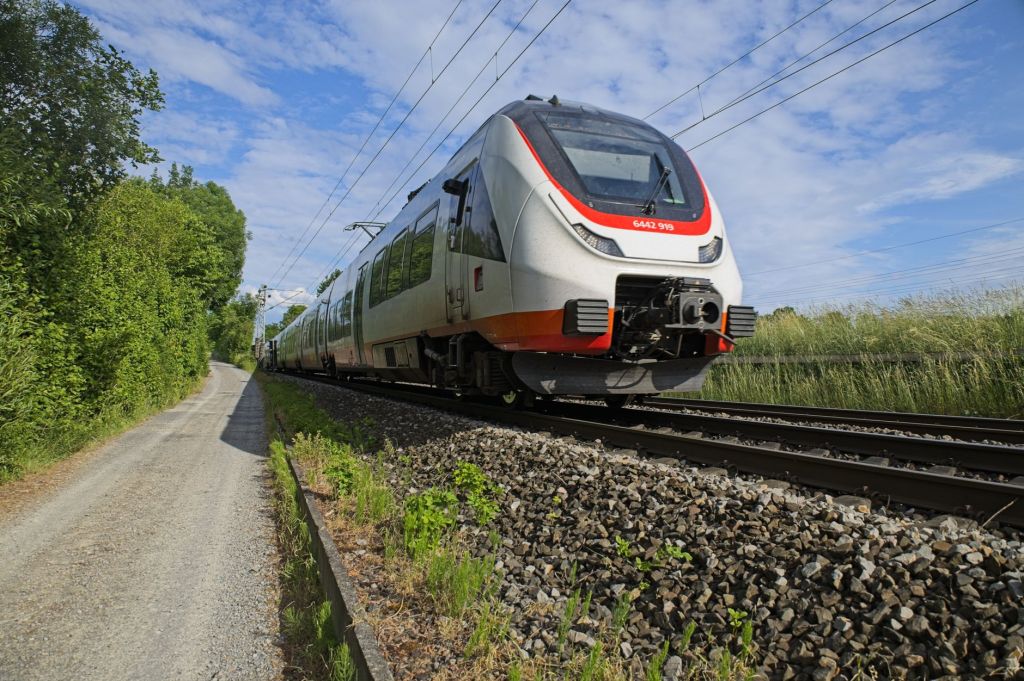
Train travel has long held a special place in the public imagination. From journeys through dramatic mountain landscapes to historic railway stations and the romance of long-distance sleeper services, travelling by train offers an experience that differs from the speed and convenience of modern air travel. Today, rail journeys are attracting renewed interest as people reconsider how they travel, what they value during a journey and whether getting there can be just as enjoyable as reaching the destination.
The Appeal of a Slower Journey
Modern life is often defined by speed, tight schedules and constant connectivity. Against this background, train travel offers an alternative that allows passengers to slow down and experience the journey itself.
Unlike flying, where much of the journey takes place above the clouds, trains allow travellers to watch landscapes change through the window. Countryside, coastlines, historic towns and unfamiliar cities become part of the experience rather than simply passing destinations.
This slower pace appeals to people who want to make travel feel less rushed. A railway journey can provide time to read, listen to music, enjoy a meal, work or simply watch the world go by.
For some travellers, the attraction lies in rediscovering a form of transport that makes the journey feel like an important part of the holiday rather than an inconvenience between two locations.
A Growing Interest in More Sustainable Travel
Environmental awareness has become an important consideration when people plan their journeys. Transport contributes to greenhouse gas emissions, and the environmental impact of a trip depends on factors such as distance, occupancy, energy sources and the type of transport used.
Rail travel can produce lower greenhouse gas emissions per passenger than flying or driving alone, particularly on electrified railway networks. However, the precise difference depends on the route, the train’s energy source and how full the service is.
For travellers seeking to reduce the environmental impact of their holidays, trains can offer a practical alternative to short-haul flights on suitable routes.
Europe’s extensive railway networks make it possible to connect major cities and smaller destinations without necessarily relying on an aircraft. International rail services also allow passengers to travel between countries while enjoying the changing scenery along the way.
Although rail travel is not always the cheapest, fastest or most convenient option, its potential environmental advantages have helped strengthen its appeal among people looking for more considered ways to explore the world.
The Return of the Railway Adventure
Train journeys have always been associated with adventure. Historic routes, mountain railways and overnight sleeper services have inspired travellers for generations, and these experiences continue to attract people seeking something beyond a conventional holiday.
Some journeys are destinations in their own right. Routes through the Swiss Alps, for example, offer dramatic mountain scenery, while long-distance services provide opportunities to experience vast landscapes over several hours or even days.
The appeal is not limited to expensive luxury trains. Ordinary railway services can offer memorable experiences, particularly when they pass through places that would otherwise be difficult to appreciate from the road or air.
For travellers who enjoy photography, nature, architecture and local culture, the railway can become a way to discover places gradually rather than moving directly between tourist attractions.
Nostalgia Meets Modern Travel
Part of the renewed fascination with trains comes from their cultural history. Railway stations, traditional carriages, dining cars and overnight compartments evoke an era when long-distance journeys were often treated as significant occasions.
This sense of nostalgia continues to influence how people imagine travel. Trains frequently appear in films, literature and photography as settings for romance, mystery, adventure and personal discovery.
However, today’s interest in railways is not simply about recreating the past. Modern trains can combine historic charm with contemporary comforts, including comfortable seating, onboard catering, Wi-Fi on some services and improved accessibility.
The contrast between traditional railway atmosphere and modern convenience gives train travel a distinctive appeal. Passengers can enjoy the character of the journey without necessarily sacrificing the practical benefits expected from contemporary transport.
Sleeper Trains and the Attraction of Overnight Travel
Overnight trains are another reason rail travel continues to capture attention. Sleeper services allow passengers to travel while resting, potentially combining transport and accommodation into a single part of the trip.
For some routes, this can reduce the need for a hotel night and allow travellers to arrive closer to the centre of their destination than they might when flying into an airport outside a city.
European sleeper services have attracted renewed attention as operators introduce or expand selected routes. Their popularity reflects interest in travel experiences that combine practicality with a sense of occasion.
Nevertheless, sleeper trains are not suitable for every journey. Tickets can be expensive, availability varies and some routes operate only on particular days. The overall value depends on the destination, accommodation alternatives and the time saved.
Even so, the idea of falling asleep in one city and waking up in another remains an appealing prospect for travellers who enjoy the romance of the railway.
A Different Way to Experience Europe
Europe is particularly well suited to rail exploration because many major cities are connected by established domestic and international services. Travellers can plan journeys that combine several destinations without hiring a car or navigating multiple airports.
A holiday might include time in Paris, a journey through the French countryside, a visit to northern Italy or a scenic route through the Alps. High-speed trains make some longer journeys surprisingly efficient, while regional services provide access to smaller towns and rural areas.
Rail passes, advance-purchase tickets and integrated travel planning can sometimes make multi-destination trips more affordable, although prices and conditions vary considerably.
Travelling by train also changes the rhythm of a holiday. Instead of unpacking and settling into one location, passengers can experience several regions in a single trip, with each journey providing a transition between cultures, landscapes and ways of life.
The experience encourages a different style of tourism: one in which the route itself becomes part of the story.
Comfort, Convenience and Practical Considerations
Train travel has clear advantages, but its popularity should not obscure its limitations. Ticket prices can be high when bookings are made close to departure, services may be disrupted and some routes require multiple changes.
Journey times can also be considerably longer than flying, especially over long distances or where international connections are limited. For passengers travelling with substantial luggage, young children or mobility requirements, the suitability of a particular service depends on its facilities and accessibility arrangements.
Planning ahead can make a significant difference. Comparing advance fares, checking connections and allowing sufficient time for changes can help travellers avoid unnecessary stress.
It is also worth comparing the complete journey rather than simply the time spent onboard. Airport transfers, security procedures and waiting times can make flying less straightforward than its advertised flight duration suggests. Equally, a train journey involving several connections may be less convenient than a direct flight.
The best choice depends on the individual route, budget, available services and the traveller’s priorities.
The Influence of Social Media and Travel Inspiration
Photography and online travel content have helped bring scenic railway journeys to the attention of wider audiences. Images of panoramic windows, mountain passes, historic stations and beautifully designed carriages can make train travel appear both aspirational and accessible.
Travel content also encourages people to explore alternatives to familiar holiday formats. Rather than choosing a destination alone, some travellers begin with a particular railway route and build a holiday around it.
This approach reflects a wider interest in experiences that feel distinctive and memorable. A journey becomes something to anticipate, photograph and remember, rather than simply a necessary stage of getting somewhere else.
However, social media often presents an idealised picture of travel. Crowded services, delays, ticket costs and less picturesque stretches of track are also part of the real experience. A balanced approach means enjoying the inspiration while researching the practical details before booking.
Why Train Travel Continues to Inspire
The renewed interest in railways reflects several overlapping priorities: environmental awareness, a desire for more meaningful experiences, nostalgia and the opportunity to see the world at a different pace.
For some people, trains provide a practical alternative to driving or flying. For others, the attraction is emotional. The sound of a train moving along the tracks, the changing landscape beyond the window and the atmosphere of a historic station can make travel feel like an experience in its own right.
Railways also offer a connection between past and present. They remain an essential part of modern transport while preserving a sense of adventure that has attracted passengers for generations.
As travellers continue to reconsider how they spend their time and how they explore new places, train travel offers something that can be difficult to reproduce elsewhere: the opportunity to enjoy the journey without rushing towards its end.
Final Thoughts
Train travel is capturing the imagination again because it offers more than a way to reach a destination. It combines movement, scenery, comfort and discovery in a form that encourages passengers to engage with the experience along the way.
Although trains are not the right choice for every route or budget, they can provide a rewarding alternative for travellers who value the journey as much as the destination.
In a world where speed and convenience often dominate, there is something appealing about taking a seat by the window, watching the landscape unfold and allowing the journey to become part of the adventure.
Perhaps that is the enduring attraction of the railway: it reminds us that travel does not always have to be about arriving as quickly as possible. Sometimes, the most memorable part of going somewhere is everything we experience on the way.









Leave a Reply