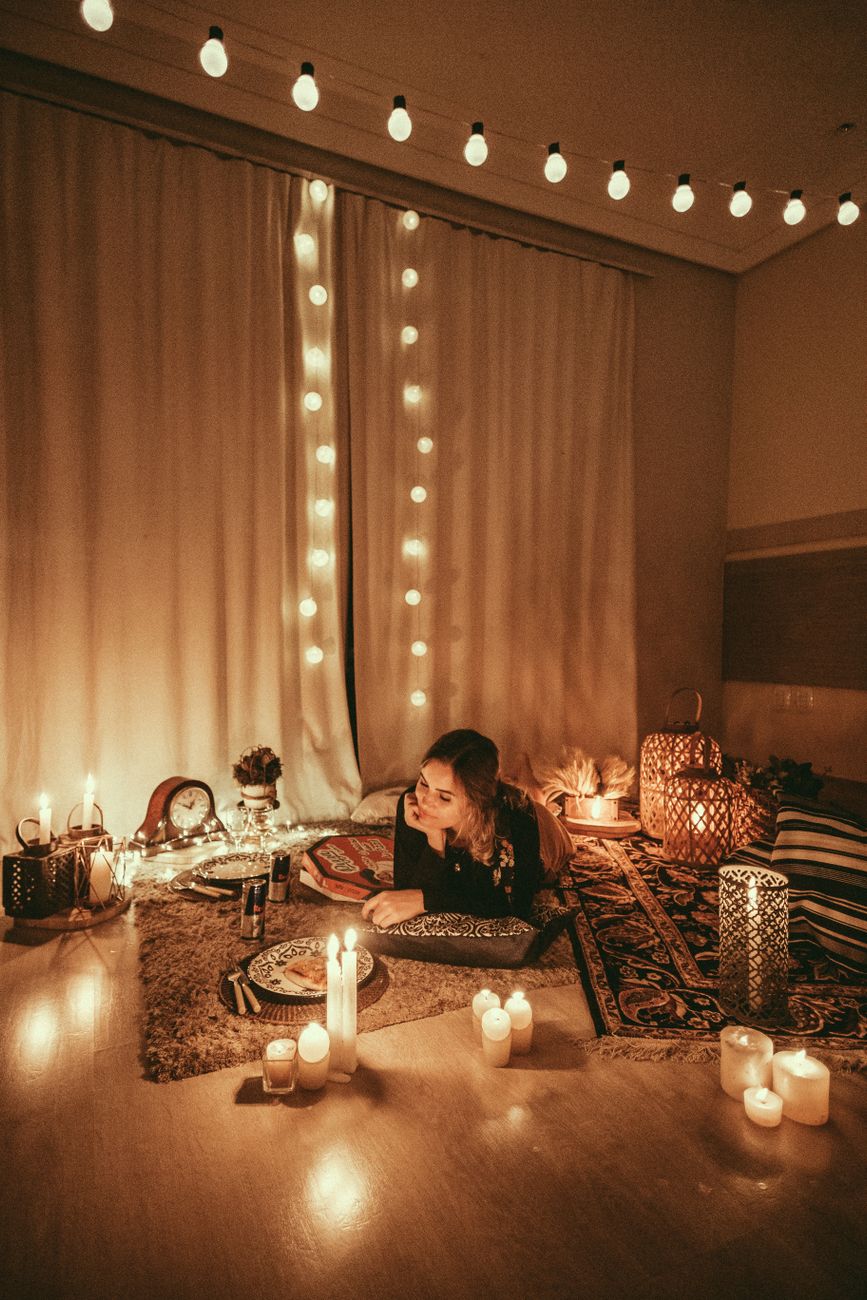
In an increasingly busy and connected world, the idea of creating a personal sanctuary at home is becoming an appealing part of modern living. Whether it is a quiet reading corner, a carefully designed bedroom, a peaceful garden or simply a comfortable chair away from everyday distractions, people are finding value in having a space dedicated to relaxation, reflection and personal wellbeing.
A personal sanctuary does not need to be an entire room or an expensive home renovation. At its heart, it is about creating an environment where people can feel comfortable, switch off from external pressures and enjoy a little time for themselves.
The Need for a Place to Switch Off
Modern life often involves balancing work, family responsibilities, financial commitments and social expectations. Technology has also made it increasingly difficult to separate working hours from personal time, with emails, notifications and online conversations following people into their homes.
Creating a personal sanctuary can help establish a clearer boundary between the demands of daily life and the need for rest. A designated space for reading, listening to music, meditating or enjoying a cup of tea can become a simple reminder to slow down.
Although a peaceful environment cannot eliminate stress or solve every personal difficulty, having somewhere comfortable to retreat may support relaxation and provide an opportunity to recharge.
The Influence of Interior Design
Interior design plays an important role in how people experience their homes. Lighting, colours, textures, furniture and the arrangement of a room can all influence how a space feels.
Soft lighting, comfortable seating, natural materials and uncluttered surfaces are popular choices for creating a calming atmosphere. Some people prefer neutral colours and minimalist interiors, while others find comfort in bookshelves, artwork, plants and treasured possessions.
There is no single design formula for a personal sanctuary. What matters is creating a space that reflects individual preferences and encourages a sense of comfort.
Natural light can make a room feel brighter and more welcoming, while houseplants can introduce greenery and a connection with nature. Even small changes, such as removing unnecessary clutter or rearranging furniture, can make a space feel more intentional.
Personal Sanctuaries and Mental Wellbeing
The home environment can influence everyday habits, mood and the ability to relax. A space associated with peaceful activities may help people develop routines that support their wellbeing.
For example, a reading corner can encourage someone to spend less time scrolling through a phone and more time enjoying a book. A quiet area for meditation may help establish a regular mindfulness practice, while a comfortable bedroom can support a consistent bedtime routine.
It is important, however, to recognise that a personal sanctuary is not a substitute for professional support when someone is experiencing significant mental health difficulties. Instead, it can be one small part of a broader approach to looking after oneself.
The value often lies in the activity taking place within the space, as much as in the surroundings themselves.
The Appeal of Digital Disconnection
Digital technology has become a constant presence in everyday life, making opportunities for uninterrupted time increasingly valuable to many people.
A personal sanctuary can provide a designated area where phones, televisions and other devices are deliberately put aside. This creates an opportunity to concentrate on activities that do not require a screen, such as writing, drawing, reading, gardening or simply sitting quietly.
Taking a break from digital distractions does not require abandoning technology altogether. Even short periods of intentional disconnection can create space for activities that might otherwise be overlooked.
For some people, the sanctuary becomes a place to reconnect with hobbies and interests. For others, it offers the chance to enjoy a few moments without the expectation of responding to messages or keeping up with online activity.
Bringing Nature Into the Home
Another reason personal sanctuaries appeal to people is the opportunity to incorporate elements of nature into everyday surroundings.
Gardens, balconies and outdoor seating areas can provide places to enjoy fresh air and observe the changing seasons. For those without access to a garden, indoor plants, natural materials and views of greenery can help introduce a similar visual connection with the outdoors.
Spending time in natural environments has been associated with several aspects of wellbeing, including relaxation and reduced feelings of stress. However, individual experiences vary, and the benefits depend on factors such as accessibility, personal preference and the environment itself.
A sanctuary does not need to be outdoors to feel peaceful. A windowsill filled with plants, a small reading space near a window or a comfortable chair overlooking a garden can provide a simple connection with the natural world.
A Reflection of Personal Identity
Personal sanctuaries are also an expression of individuality. Unlike spaces designed primarily to impress visitors, these environments can be arranged entirely around the needs and interests of the person who uses them.
For one individual, a sanctuary might be a home library filled with favourite books. For another, it could be a music room, a workshop, a meditation space or a carefully organised wardrobe and dressing area.
Objects with personal meaning can also contribute to the atmosphere. Photographs, souvenirs, artwork and family heirlooms may help create a sense of familiarity and belonging.
This makes the concept less about following interior design trends and more about understanding what genuinely brings comfort and enjoyment to everyday life.
Creating a Sanctuary Without Spending a Fortune
One of the most appealing aspects of a personal sanctuary is that it does not need to be expensive.
A few thoughtful changes can transform an existing space without requiring major purchases or renovations. Rearranging furniture, introducing a warm lamp, adding a cushion, displaying favourite books or keeping a small area free from clutter may be enough to create a more inviting environment.
It is also worth considering how the space will be used. Someone who enjoys reading may benefit from good lighting and a comfortable chair, while someone who prefers meditation might prioritise quiet surroundings and an uncluttered floor.
The most effective sanctuary is one that fits naturally into a person’s lifestyle rather than becoming another costly project or source of pressure.
The Importance of Making Time for Yourself
Creating a personal sanctuary is only part of the process. Making time to use it is equally important.
Busy schedules can make personal time feel like an indulgence rather than a legitimate part of everyday life. However, rest, hobbies and quiet reflection can all contribute to a more balanced routine.
Even ten or fifteen minutes spent enjoying a favourite activity may provide a welcome pause between responsibilities. The aim is not to escape everyday life permanently, but to create regular opportunities to step back from its demands.
For people who share their homes with partners, children or other family members, establishing a personal sanctuary may also involve communicating the importance of occasional uninterrupted time. This does not mean withdrawing from relationships; it means recognising that personal space and meaningful time together can coexist.
Finding Peace in the Everyday
The growing appeal of personal sanctuaries reflects a simple idea: our surroundings can play a meaningful role in how we experience everyday life.
In a world where attention is frequently divided between work, technology and competing responsibilities, having a space dedicated to comfort and personal interests can offer a welcome sense of balance.
A sanctuary does not have to be luxurious, perfectly styled or admired by anyone else. It can be modest, practical and entirely personal.
Ultimately, the best personal sanctuary is somewhere that allows an individual to feel at ease, enjoy their interests and reconnect with themselves. Sometimes, improving the quality of everyday life begins not with changing the world outside, but with creating a little more peace within the space we call home.









Leave a Reply