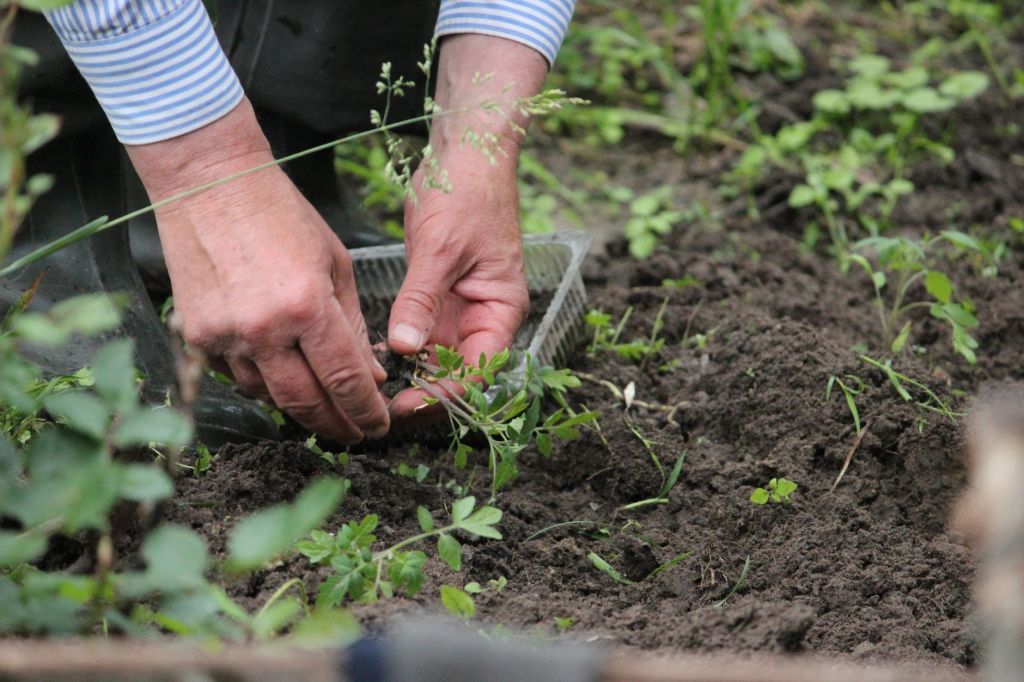
In a world increasingly dominated by digital screens, busy schedules and constant demands on our attention, gardening has become an appealing way for people to slow down, reconnect with nature and find a little peace away from everyday pressures. Whether tending to a small collection of houseplants, growing vegetables in an allotment or transforming a back garden into a personal retreat, gardening offers something that modern life can often lack: the opportunity to concentrate on the present moment.
For many people, gardening is no longer simply a practical hobby. It has become a form of escapism, providing a welcome break from the demands of work, technology and the pressures of daily living.
The Appeal of Slowing Down
Modern life often encourages people to move quickly between responsibilities. Emails, notifications, work commitments and household tasks can make it difficult to find time to pause. Gardening offers a different rhythm.
Plants grow according to natural processes that cannot be hurried. Seeds need time to germinate, flowers follow seasonal cycles, and vegetables develop gradually before they are ready to harvest. These processes encourage patience and allow gardeners to focus on small, achievable tasks rather than constantly thinking about what needs to happen next.
Watering plants, pruning shrubs, removing weeds or preparing soil can provide a simple routine that draws attention away from everyday distractions. Rather than concentrating on deadlines or digital notifications, gardeners can focus on the immediate task in front of them.
This does not mean gardening removes life’s difficulties, but it can provide a valuable period of separation from them.
Reconnecting With Nature
One reason gardening appeals to so many people is its ability to bring them closer to the natural world.
Research into nature and wellbeing has repeatedly explored the relationship between spending time in green environments and aspects of psychological health. Studies have associated contact with nature with reduced stress, improved mood and opportunities for mental restoration. Gardening combines this exposure with purposeful physical activity and a sense of involvement in the environment.
Even a modest outdoor space can provide opportunities to experience these benefits. A balcony filled with pots, a windowsill of herbs or a few plants beside the front door can introduce greenery into otherwise built-up surroundings.
For people who spend much of their working day indoors, these small connections with nature can be particularly appealing. Gardening provides a reason to step outside, notice the changing weather, observe wildlife and appreciate the gradual transition between seasons.
It also encourages people to pay attention to details they might otherwise overlook, from the first flowers of spring to the arrival of bees and butterflies during warmer months.
A Break From Digital Life
Digital technology has made communication, entertainment and information more accessible than ever. However, the constant presence of smartphones and online platforms can make it difficult for some people to switch off.
Gardening provides an alternative activity that does not require a screen. Although gardeners may use digital tools to research plants, check growing conditions or seek advice, the activity itself takes place in the physical world.
Working with soil, handling plants and observing growth can encourage a more direct form of engagement with the surroundings. For those seeking to reduce their screen time, gardening offers a constructive way to spend time away from devices without simply replacing one form of passive entertainment with another.
It can also create a natural boundary between work and personal time. Spending half an hour tending plants after a working day may help establish a routine that signals the transition from professional responsibilities to leisure.
The appeal is not necessarily about rejecting technology altogether. Instead, it is about creating space for activities that allow attention to rest elsewhere.
The Satisfaction of Growing Something
Gardening offers a sense of progress that can be difficult to find in other areas of everyday life.
Many modern responsibilities involve tasks that are repeated continually. Household chores return, emails accumulate, and professional projects can take months or years to complete. Gardening, by contrast, provides visible evidence of gradual development.
A seedling emerging from the soil, a plant producing its first flowers or a vegetable becoming ready to harvest represents a tangible result of time and care.
This process can encourage a sense of achievement and responsibility. Gardeners make decisions about watering, sunlight, soil conditions and plant care, then observe how their efforts affect the results.
Of course, gardening does not always go according to plan. Poor weather, pests, disease and unsuccessful planting are all part of the experience. Learning to adapt to these challenges can be part of its appeal, reminding people that not every outcome can be controlled.
For some, the pleasure lies less in achieving a perfect garden and more in participating in the process.
Gardening and Mental Wellbeing
Gardening is frequently discussed as an activity that may support mental wellbeing, although its effects vary between individuals and circumstances.
It can combine several potentially beneficial elements: gentle physical movement, time outdoors, purposeful activity and opportunities to concentrate on a manageable task. These features may help people feel more engaged and provide a constructive outlet during stressful periods.
Physical activity is also an important consideration. Depending on the task, gardening may involve walking, bending, stretching, lifting or other forms of movement. The intensity varies considerably, from light houseplant care to more demanding digging and landscaping.
Gardening should not be presented as a replacement for professional mental health support, nor does everyone experience it in the same way. Nevertheless, it can form part of a balanced lifestyle that includes recreation, physical activity and time for relaxation.
Its accessibility is another advantage. People do not necessarily need a large garden, expensive equipment or specialist knowledge to begin. A few inexpensive plants and a suitable container can be enough to get started.
Creating a Personal Sanctuary
Gardens can also become extensions of the home, providing a place for quiet reflection and personal enjoyment.
Some people design outdoor spaces around colourful flowers, while others prefer minimalist arrangements, fragrant plants or practical vegetable beds. There is no single correct approach. A garden can reflect its owner’s interests, tastes and available space.
A comfortable chair beneath a tree, a small herb garden beside the kitchen or a collection of plants arranged around a balcony can create a setting that encourages people to spend more time outdoors.
Unlike many forms of entertainment, gardening allows people to shape their surroundings over time. The result can become a personal retreat that changes with the seasons and develops alongside the gardener’s interests.
Even people without private outdoor space can explore similar activities through indoor plants, community gardens or shared allotments. These alternatives can provide opportunities to learn, grow and connect with others.
For some, gardening is a solitary activity that offers welcome quiet. For others, it becomes a social pursuit involving family members, neighbours or local gardening groups.
Sustainability and the Pleasure of Growing Your Own
The growing interest in sustainability has also contributed to the appeal of gardening.
Growing herbs, fruit and vegetables at home can help people understand where food comes from and what is involved in producing it. Even a small harvest of tomatoes, lettuce or fresh herbs can make cooking feel more connected to the growing process.
Home growing does not automatically reduce costs or environmental impact in every situation. Equipment, water use, heating, transport and growing methods all influence the overall picture. However, gardening can encourage greater awareness of seasonal produce, composting, biodiversity and responsible resource use.
Planting flowers that provide food for pollinators, choosing plants suited to local conditions and composting suitable garden waste are examples of ways gardeners can make environmentally conscious choices.
These activities provide an additional source of satisfaction because the garden becomes more than a personal escape. It can also become a practical way to engage with the natural environment.
Finding Escapism in Small Moments
One of the most appealing aspects of gardening is that it does not have to become a major commitment.
Not everyone has the time, energy or space to maintain a large garden. Fortunately, the benefits people seek from gardening do not depend on having an elaborate outdoor setting.
Caring for a single houseplant, growing basil on a kitchen windowsill or spending ten minutes watering pots can introduce a small moment of calm into an otherwise busy day.
The key is to approach gardening as an enjoyable activity rather than another responsibility that must be completed perfectly. Plants will sometimes struggle, flowers will fade and plans will change with the weather. Accepting these natural variations can help preserve the pleasure of the experience.
For beginners, starting small can make gardening more manageable. Choosing a few plants suited to the available light and space, learning their basic requirements and gradually expanding the collection can be more rewarding than attempting to transform an entire garden at once.
A Return to a More Natural Rhythm
The popularity of gardening reflects a wider interest in activities that offer a counterbalance to the pace of contemporary life.
People may turn to reading, walking, cooking, crafting or other hobbies for similar reasons. These activities provide opportunities to concentrate on something tangible, develop skills and enjoy time that is not entirely defined by work or digital entertainment.
Gardening has the additional appeal of connecting these experiences with the natural world. It encourages patience, rewards attention and makes seasonal change part of everyday life.
Its value is not necessarily measured by the size of the harvest, the appearance of the flower beds or the amount of time spent outdoors. Sometimes, the most meaningful part of gardening is simply having somewhere to go where the demands of the outside world can be set aside for a while.
Conclusion: Growing a Little Peace of Mind
Gardening has become a modern form of escapism because it offers a practical way to step back from the pressures of everyday life without needing to travel far or spend a great deal of money.
It brings together nature, movement, creativity and the satisfaction of nurturing something over time. It can provide a break from screens, encourage patience and create a personal space for relaxation, whether that space is a large garden or a few pots on a windowsill.
In a culture that often places considerable value on speed, productivity and constant availability, gardening offers a different kind of reward. It reminds us that some things need time, that progress can be gradual and that not every moment has to be spent achieving something measurable.
Perhaps that is the real appeal. Gardening allows people to step away from the noise of modern life and reconnect with something simpler: the soil beneath their hands, the changing seasons and the quiet satisfaction of watching something grow.









Leave a Reply