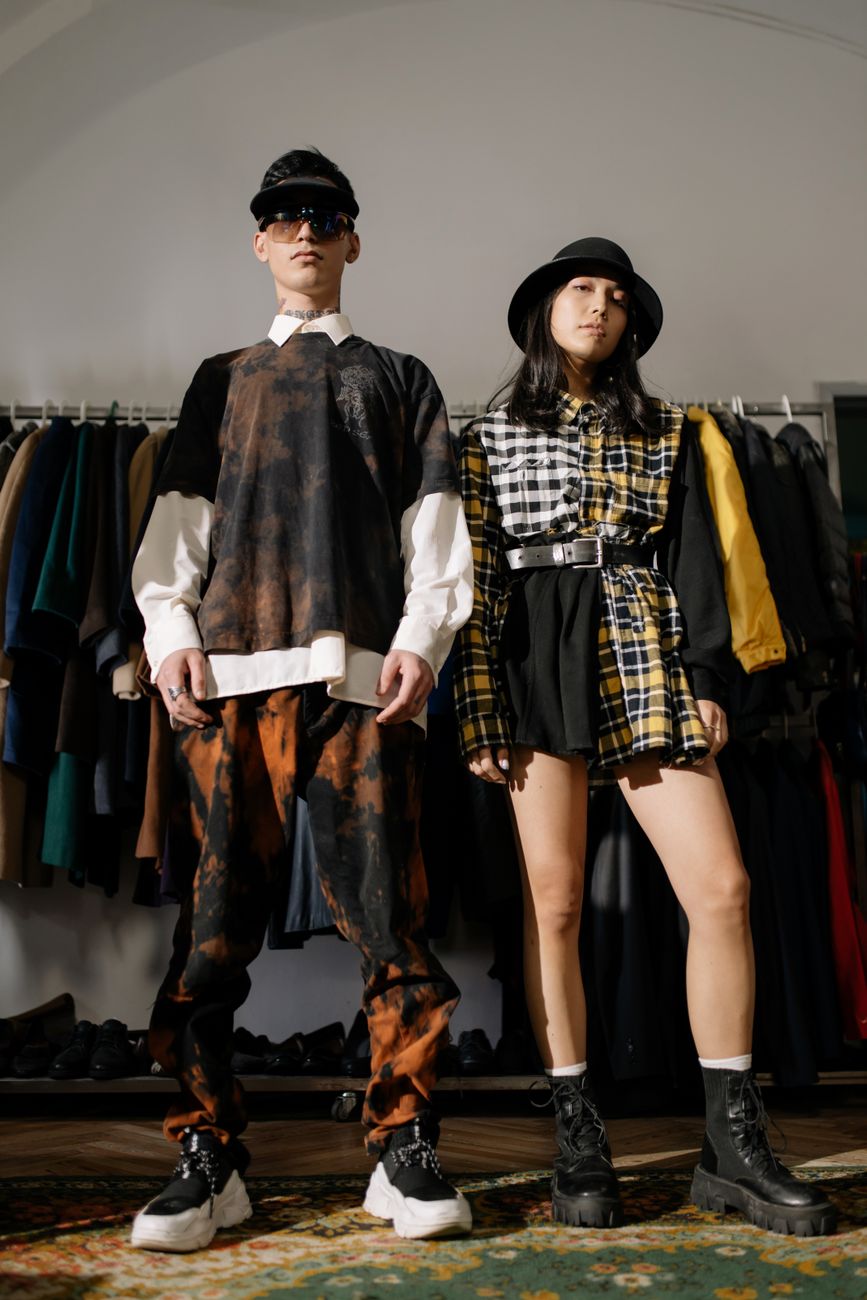
Second-hand fashion has undergone a remarkable transformation. Once associated primarily with charity shops, vintage enthusiasts and bargain hunters, pre-owned clothing has increasingly become part of mainstream fashion culture.
From vintage boutiques and charity shops to dedicated resale platforms and online marketplaces, buying previously owned clothing is becoming an increasingly normal part of the way people shop.
From Alternative Choice to Fashion Trend
For many years, second-hand clothing was viewed as an alternative to buying new. Today, that distinction is becoming less significant.
The growth of online resale platforms has made it considerably easier for consumers to browse, buy and sell pre-owned clothing. Instead of having to search through individual shops, shoppers can now explore thousands of garments from different brands and eras from their phones or computers.
This accessibility has helped change perceptions. Second-hand fashion is no longer necessarily about buying something because it is cheaper. For many shoppers, it is about finding something distinctive.
Vintage jackets, classic tailoring, designer pieces and older styles can offer a sense of individuality that is sometimes difficult to achieve with mass-produced fashion.
The Appeal of Sustainability
Environmental concerns have also contributed to the growing interest in second-hand fashion.
The production of clothing requires raw materials, energy, water and transportation. Extending the useful life of existing garments can reduce the need for new products to be manufactured and can help prevent wearable clothing from being discarded prematurely.
Buying second-hand does not automatically make a purchase environmentally friendly, and consumers still need to consider factors such as unnecessary purchases and transportation. However, keeping clothing in circulation for longer can be a more resource-conscious approach to fashion.
This has made resale particularly attractive to consumers who want to think more carefully about the environmental consequences of their wardrobes.
Affordability Without Sacrificing Style
Price remains another important factor.
Second-hand shopping can provide access to better-quality garments at lower prices than their original retail cost. This can make premium or designer clothing more accessible to people who may not otherwise consider purchasing it.
At the same time, the appeal goes beyond simply finding a bargain.
A well-made second-hand coat, leather jacket, handbag or pair of shoes can sometimes offer something that inexpensive new clothing cannot: longevity, character and a sense of history.
For shoppers who value quality over quantity, this can be particularly appealing.
The Rise of Vintage
Vintage fashion has also played an important role in bringing second-hand clothing into the mainstream.
Styles from previous decades regularly return to fashion, with designers, celebrities and influencers helping to revive interest in earlier silhouettes and trends.
Rather than simply reproducing historical styles, many modern consumers combine vintage pieces with contemporary clothing. A vintage jacket might be worn with modern denim, while a classic handbag can be incorporated into an otherwise contemporary outfit.
This approach allows people to create personal styles rather than simply following a complete seasonal look.
Changing Attitudes Among Younger Shoppers
Younger consumers have been particularly influential in the growth of resale fashion.
Digital platforms have made buying and selling pre-owned clothing part of everyday online culture, while social media has helped normalise vintage and second-hand styling.
There is also growing interest in individuality. In an environment where fast fashion can make millions of people look similar, wearing a carefully selected pre-owned piece can provide a way of creating a more distinctive wardrobe.
Second-hand fashion therefore combines several modern priorities: affordability, individuality, sustainability and access to desirable brands.
A More Considered Approach to Fashion
Perhaps the most significant change is that second-hand shopping is helping to challenge the idea that fashion always has to mean buying something new.
A wardrobe does not necessarily need to be constantly replaced to remain stylish.
Choosing pre-owned clothing can encourage consumers to consider what they actually like, what they will wear repeatedly and whether a garment has lasting value.
It can also make fashion more personal. A second-hand piece may have a history before it reaches its new owner, giving it a character that a newly manufactured garment simply cannot replicate.
The Future of Fashion?
Second-hand fashion is unlikely to replace new clothing entirely, but its growing popularity suggests that resale has become an established part of the modern fashion landscape.
What was once considered an alternative way of shopping is increasingly being viewed as simply another way to build a wardrobe.
Whether motivated by price, sustainability, individuality, quality or the thrill of finding something unusual, consumers are discovering that fashion does not always have to come straight from the shop floor.
Sometimes, the most interesting piece in the wardrobe is the one that has already had a life before it became yours.








Leave a Reply