When people think about changing the appearance of a room, they often focus on furniture, wall colours, flooring or decorative accessories. Yet one of the most influential elements of interior design is something that can easily be overlooked: lighting.
The right lighting can completely change how a room looks and feels without requiring major structural changes or expensive renovations. From natural daylight to carefully positioned lamps, lighting can influence atmosphere, highlight architectural features and even affect how spacious a room appears.
Lighting Sets the Mood
One of the most obvious effects of lighting is its ability to influence the atmosphere of a room.
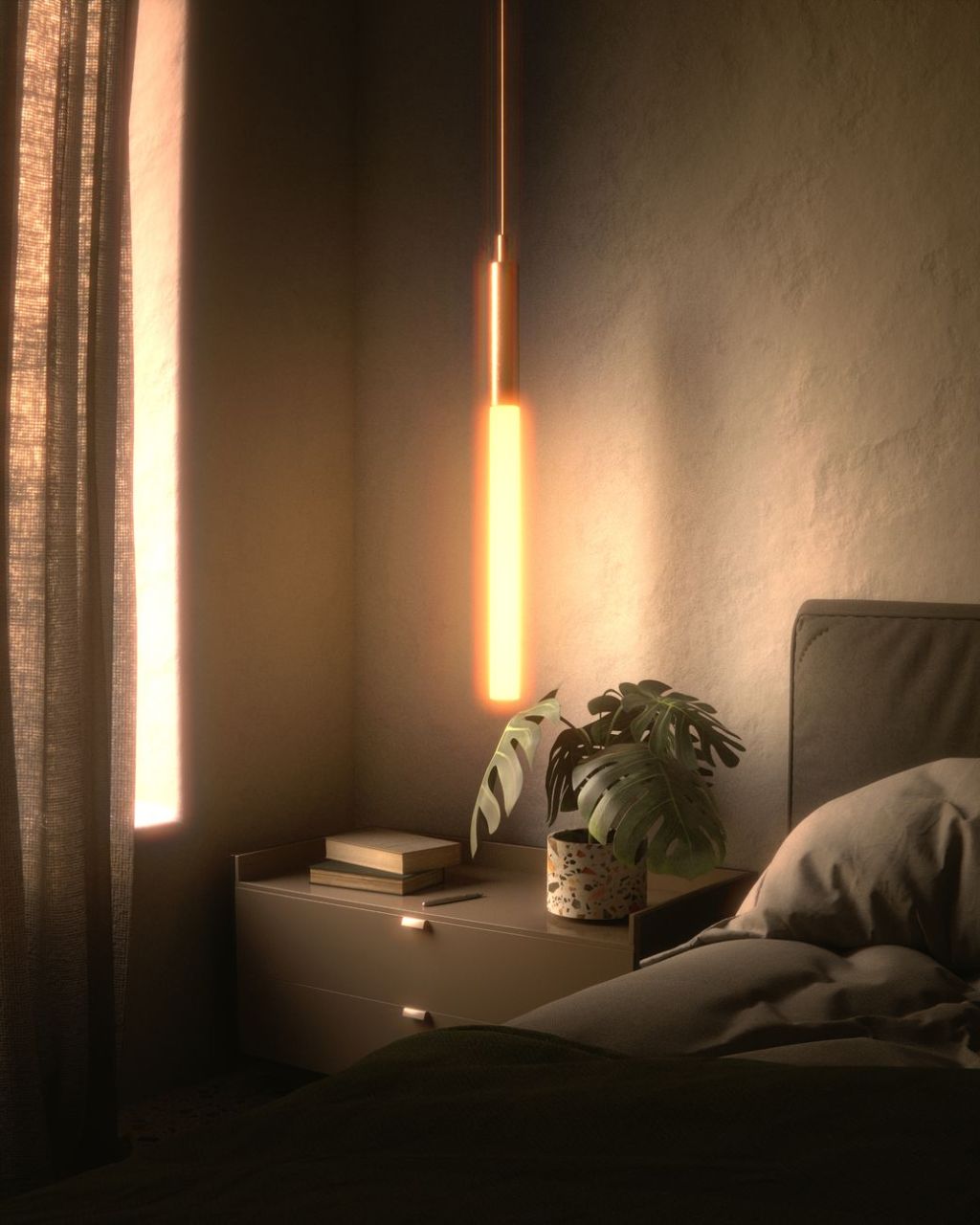
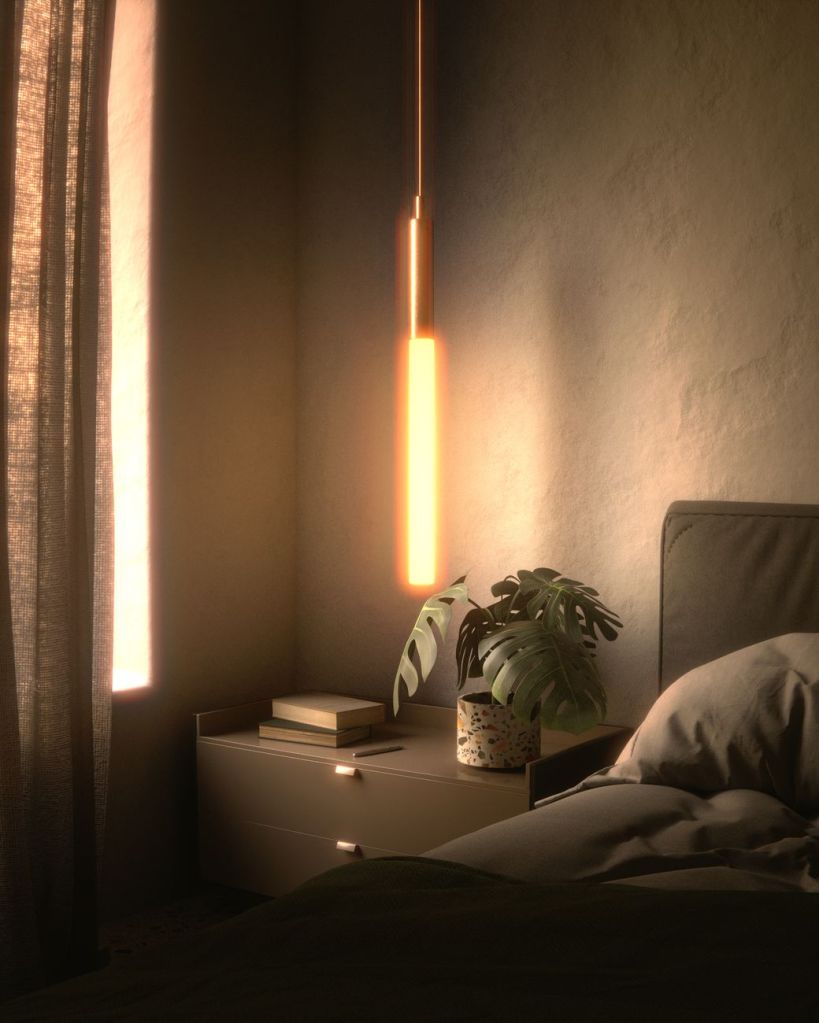
Bright, cooler lighting can create an energetic and functional environment, making it particularly suitable for kitchens, bathrooms, home offices and areas where people need good visibility. Warmer, softer lighting tends to create a more relaxed and comfortable atmosphere, which is why it is often associated with living rooms, bedrooms and dining areas.
Changing the colour temperature of a light source can therefore alter the character of the same room without changing any of its furniture or decoration.
Natural Light Makes a Difference
Natural daylight is another important part of interior design. Rooms with good access to natural light can often feel brighter, more open and more welcoming.
Windows, glass doors and skylights can introduce daylight throughout the day, while mirrors and lighter-coloured surfaces can help reflect available light around a room.
The amount of natural light a room receives will naturally depend on factors such as its orientation, window size, surrounding buildings and the time of year.
Lighting Can Highlight Features
Lighting isn’t only about making a room brighter. It can also be used strategically to draw attention to particular features.
A carefully positioned light can highlight artwork, bookshelves, architectural details, plants or decorative objects. Wall lights and spotlights can create areas of visual interest, while table and floor lamps can introduce additional layers of illumination.
This approach allows lighting to become part of the room’s design rather than simply serving a practical purpose.
Layered Lighting Creates Flexibility
Interior designers often use several types of lighting within the same room.
Ambient lighting provides general illumination, task lighting is designed for specific activities, and accent lighting is used to emphasise particular features.
Combining these different forms of lighting gives people greater control over the atmosphere. A living room, for example, might use ceiling lighting for general illumination, a floor lamp beside a chair for reading and a smaller lamp to create a softer evening atmosphere.
Lighting Can Change Perceptions of Space
Lighting can also influence how we perceive the size and proportions of a room.
Evenly distributed light can help eliminate dark corners, while lighting directed towards walls or ceilings can create a sense of greater depth. Mirrors can further enhance this effect by reflecting both natural and artificial light.
Conversely, darker areas and stronger shadows can create a more intimate and enclosed atmosphere. Neither approach is necessarily better; it depends on the character and purpose of the space.
The Importance of Choosing the Right Bulbs
The light bulb itself can make a significant difference. Bulbs vary in brightness, colour temperature and technology, with LED lighting now widely used because of its energy efficiency and long operating life.
Choosing the appropriate brightness and colour temperature for each room can make lighting more comfortable and practical.
Dimmable lights can provide even greater flexibility, allowing the brightness to be adjusted according to the time of day or activity.
A Simple Way to Refresh a Home
Perhaps the greatest appeal of lighting is that it can transform a room without requiring a complete redesign.
Moving a lamp, replacing a light fitting, introducing a wall light or simply changing a bulb can produce a noticeable difference. It is an accessible way of experimenting with interior design while keeping existing furniture and decoration.
Ultimately, good lighting is about more than simply being able to see. It can influence atmosphere, emphasise design features, complement colours and change our perception of a space.
Sometimes, transforming a room doesn’t require buying anything new at all. It may simply require looking at the room in a different light.









Leave a Reply