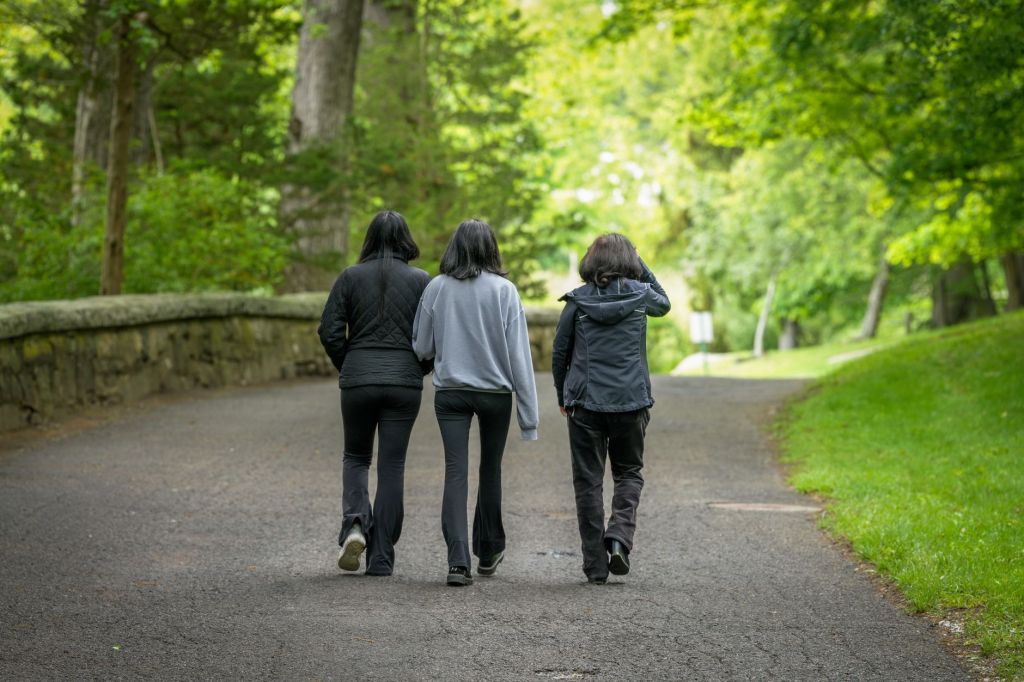
Walking is one of the simplest forms of physical activity, yet it has become increasingly associated with modern wellness. From morning walks and lunchtime strolls to evening walks after work, more people are incorporating walking into their daily routines as a practical way to support both physical and mental wellbeing.
Unlike many forms of exercise, walking requires little specialist equipment, can be adapted to different fitness levels and can take place almost anywhere. Its accessibility is one reason it continues to appeal to people looking for sustainable approaches to a healthier lifestyle.
A Simple Form of Exercise
Regular walking contributes to overall physical activity and can help support cardiovascular health, muscle strength and mobility. Brisk walking in particular can raise the heart rate and provide moderate-intensity exercise without the higher impact associated with some other activities.
Walking can also be incorporated into everyday life without necessarily requiring a separate workout session. Choosing to walk to nearby destinations, taking the stairs where practical or going for a short walk during a break can all contribute to daily movement.
The Mental Benefits of Getting Outside
Walking is increasingly viewed as more than physical exercise. Spending time outdoors can provide an opportunity to step away from screens, work and other daily distractions.
A walk can create a period of uninterrupted time for thinking, listening to music or simply observing the surroundings. For some people, this makes walking a useful way to create a sense of routine and personal space within an otherwise busy day.
Research into physical activity and mental wellbeing has also found associations between regular physical activity and improved mood and reduced symptoms of stress and anxiety. Walking does not replace professional treatment for mental health conditions, but it can form part of a broader approach to wellbeing.
Walking and the Return to Slower Living
Modern life is often characterised by constant connectivity, notifications and increasingly sedentary routines. Walking offers a relatively simple opportunity to slow down.
Unlike activities that require a gym membership, scheduled class or expensive equipment, walking can be spontaneous. A person can simply put on a comfortable pair of shoes and head outside.
This simplicity fits with the growing interest in more sustainable forms of wellness. Rather than treating wellbeing as something that requires elaborate routines, walking demonstrates that small and consistent habits can have a meaningful place in everyday life.
Walking as a Social Activity
Walking can also provide an alternative to more traditional social activities. Friends, couples and family members can walk together while talking, turning physical activity into an opportunity for conversation.
Walking groups and organised walking activities have similarly become popular in many communities. These provide people with a reason to get outside while combining movement with social interaction.
For those who prefer solitude, however, walking can be equally valuable as a personal activity.
Exploring Your Local Environment
Another appeal of walking is the opportunity to rediscover familiar surroundings. A regular route can reveal parks, streets, architecture, shops and natural spaces that might otherwise be overlooked when travelling by car or public transport.
Walking can therefore become a form of everyday exploration. Even a familiar neighbourhood can feel different when experienced at walking pace.
A Wellness Habit With Few Barriers
One of walking’s greatest strengths is its versatility. It can be short or long, slow or brisk, solitary or social. It can take place in an urban environment, a park, along a coastline or in the countryside.
For people beginning to become more physically active, walking can also provide a manageable starting point. The amount and intensity can be gradually increased according to individual ability and circumstances.
As with any new exercise routine, people with significant health concerns should consider seeking appropriate professional advice before substantially increasing their activity levels.
The Appeal of Something Simple
The popularity of walking reflects a broader change in how people think about wellness. Increasingly, wellbeing is not necessarily about complicated programmes or constantly pursuing physical perfection. It can also involve simple habits that are realistic enough to maintain.
Walking fits naturally into that philosophy. It combines movement, fresh air, personal time and, when desired, social connection without demanding a complicated routine.
In a world increasingly dominated by screens and sedentary lifestyles, the humble walk has taken on a new significance. What was once simply a way of getting from one place to another has become, for many people, a small but meaningful daily ritual for looking after both body and mind.









Leave a Reply