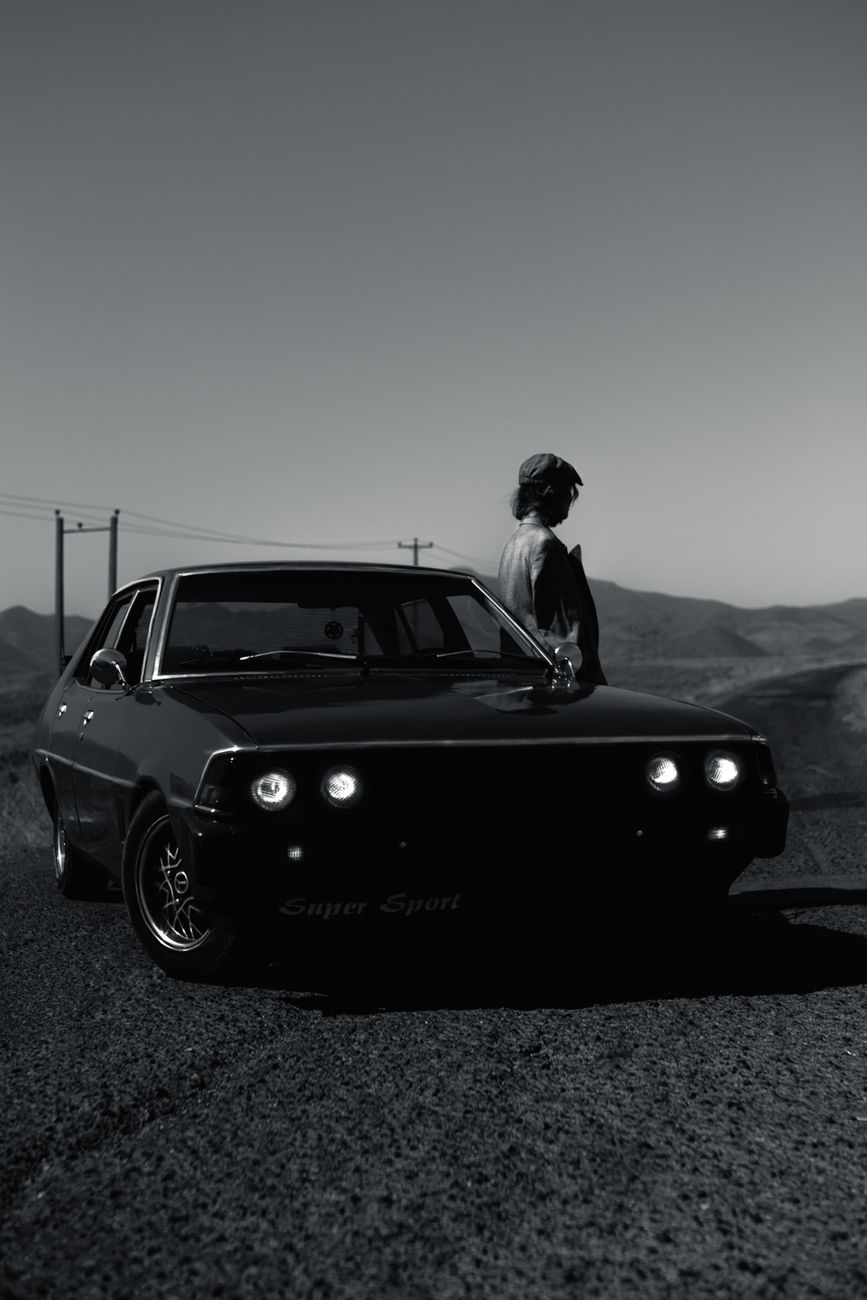
Classic cars have remained popular for decades, but their appeal is no longer limited to the generations who remember these vehicles from their youth. Increasingly, younger enthusiasts are discovering the character, history and craftsmanship associated with older automobiles.
While modern cars offer advanced safety systems, connectivity, efficiency and sophisticated technology, classic cars provide a very different experience. Their appeal often comes from their distinctive designs, mechanical simplicity and connection to a particular period of automotive history.
Design That Stands Apart
One of the most obvious attractions of a classic car is its appearance. Many historic vehicles feature shapes, proportions, chrome detailing, analogue instruments and interior designs that are rarely found on modern cars.
For younger enthusiasts accustomed to increasingly standardised vehicle designs, a classic car can offer something different. Models from the 1950s, 1960s, 1970s and 1980s often have distinctive visual identities that make them immediately recognisable.
This individuality has helped classic cars maintain their cultural appeal long after their original production ended.
A Connection to Automotive History
Classic cars are also tangible examples of how technology, manufacturing and society have changed.
A particular model can represent an important period in automotive development, whether it introduced a significant engineering innovation, reflected changing consumer tastes or became associated with a particular cultural moment.
Owning or driving such a vehicle can therefore be more than simply owning an old car. It can provide a direct connection with the history of motoring.
The Appeal of Mechanical Simplicity
Many classic vehicles were produced before modern cars became heavily dependent on computer-controlled systems and extensive electronic technology.
Although this can make classic cars less convenient and sometimes less reliable, it can also make them attractive to people who enjoy understanding and working on machinery.
For some owners, maintaining an older vehicle is part of the experience. Mechanical repairs, restoration projects and routine maintenance can provide an opportunity to develop practical skills and gain a deeper understanding of how a vehicle operates.
Classic Cars and Personal Identity
Cars have long been associated with personal identity, and classic vehicles can provide another way for people to express their individual tastes.
Someone might choose a classic sports car because of its performance heritage, while another person may prefer a traditional saloon, an elegant grand tourer or a practical classic associated with everyday motoring.
This diversity means that classic-car culture is not limited to one particular type of enthusiast.
Popular Culture Has Played a Role
Films, television programmes, music and video games have also helped introduce classic cars to audiences who may not have experienced them when they were new.
A vehicle featured prominently in a film or television series can become culturally recognisable and attract interest from people who might otherwise have little knowledge of the model.
This has helped preserve the visibility of many older cars and introduced them to new audiences.
The Attraction of Restoration
Restoration has become another important part of classic-car culture. Some enthusiasts purchase vehicles that require significant work and gradually return them to usable or historically appropriate condition.
Restoration can involve bodywork, mechanical repairs, interior refurbishment and careful research into the vehicle’s original specifications.
For many owners, the satisfaction comes not simply from the finished car but from the process of bringing an important piece of automotive history back to life.
Classic Cars in a Digital Age
Interestingly, the rise of digital culture has not eliminated interest in physical cars. Online communities, specialist websites, video channels and social media have made it easier for enthusiasts to share information, document restorations and discover vehicles from around the world.
Younger enthusiasts can now learn about a classic model, find technical information and connect with other owners without necessarily belonging to a traditional motoring club.
Digital technology has therefore helped expand access to classic-car culture rather than replacing it.
Investment Can Be a Factor
Some classic cars have also become collectible assets, with particularly rare, historically significant or desirable examples commanding substantial prices.
However, not every classic car increases in value, and purchasing an older vehicle solely as an investment carries risks. Maintenance, restoration costs, insurance, storage and market demand can all affect the financial outcome.
For most enthusiasts, the enjoyment of ownership remains at least as important as potential financial appreciation.
A Different Kind of Motoring Experience
Perhaps the strongest reason classic cars continue to attract new generations is that they offer an experience that is increasingly different from modern motoring.
Older vehicles can provide greater involvement between driver and machine. Steering, braking, engine noise, manual gear changes and physical controls can make the act of driving feel more mechanical and immediate.
That does not necessarily make classic cars better than modern vehicles. Instead, they provide a different experience.
Looking Ahead
Classic cars are unlikely to disappear simply because the automotive industry is moving towards electrification, automation and increasingly connected vehicles.
Their significance extends beyond transportation. They represent design, engineering, craftsmanship, popular culture and social history.
For new generations, discovering a classic car can therefore be an introduction to a different era of motoring. Whether admired at a show, restored in a garage or driven on the open road, these vehicles continue to demonstrate that automotive history can remain relevant long after production has ended.
The enduring appeal of the classic car ultimately comes from its ability to offer something that modern technology cannot completely reproduce: a physical connection to another time, combined with the individuality and character of a machine built for a very different era.









Leave a Reply