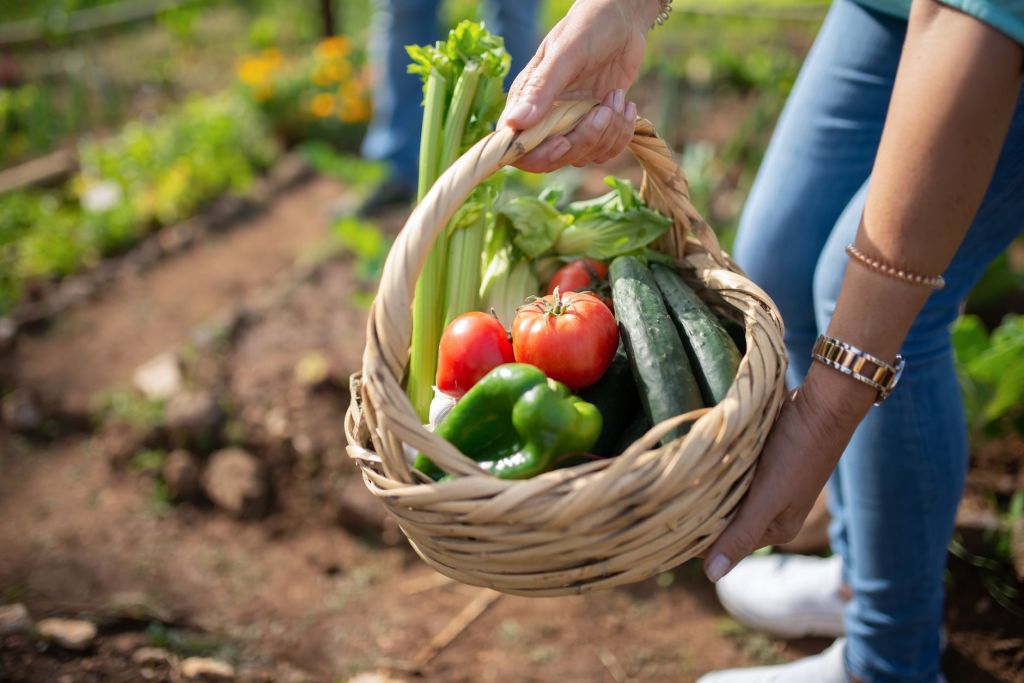
Growing your own food is enjoying renewed interest as more people look for practical ways to connect with what they eat, reduce household spending and make better use of outdoor spaces.
From traditional vegetable gardens to small balconies and window boxes, growing food at home no longer requires a large garden. Tomatoes, herbs, salad leaves, strawberries, chillies and many other crops can be grown successfully in containers, making home growing accessible to people living in a wide range of homes.
A Greater Interest in Where Food Comes From
One reason behind the renewed popularity of home growing is a growing interest in food provenance. Knowing where food comes from and how it has been grown can give people a greater understanding of the journey from seed to plate.
Growing even a small amount of food provides a direct connection with that process. Planting seeds, caring for crops and eventually harvesting them can also make eating seasonal produce a more engaging experience.
Saving Money
Household budgets have also encouraged some consumers to reconsider growing their own produce. While gardening requires an initial investment in seeds, compost, containers and equipment, many crops can produce multiple harvests from relatively small spaces.
Herbs and salad leaves, for example, can be grown at home without requiring extensive garden areas. Some plants can also be harvested repeatedly, potentially reducing the need to purchase certain fresh ingredients as frequently.
Home growing is not necessarily a replacement for buying food, but it can provide an inexpensive supplement to the weekly shop.
Making Better Use of Outdoor Space
The growth of container gardening has made growing food possible for people who do not have traditional vegetable plots.
Balconies, patios, terraces and small gardens can accommodate pots, raised beds and vertical growing systems. Even windowsills can provide enough space for herbs and certain smaller crops.
This has helped change perceptions of what a productive garden needs to look like. Growing food can now be incorporated into many different styles of outdoor space.
The Appeal of Seasonal Eating
Growing your own food can also encourage a greater awareness of the seasons. Different crops become available at different times of the year, and gardeners learn to work around natural growing cycles.
This can encourage people to make greater use of seasonal ingredients and experiment with foods they might not otherwise purchase.
For many gardeners, there is also satisfaction in eating something that has been grown from their own seeds or plants.
A Hobby With Wider Benefits
Gardening is not simply about producing food. For many people, it has become a leisure activity that provides time outdoors and a break from increasingly digital lifestyles.
The process of tending plants can be relatively simple, but it requires patience and regular attention. Watching plants develop over weeks and months can make gardening an enjoyable long-term hobby rather than simply a means of producing vegetables.
Community gardens and allotments can add another social dimension, bringing together people who share an interest in growing food and maintaining green spaces.
Sustainability and Food Waste
Growing food at home can also form part of wider efforts to use resources more carefully. Gardeners can choose varieties suited to their local conditions, grow quantities according to their needs and use freshly harvested ingredients.
Some home growers also compost suitable kitchen and garden waste, returning nutrients to the soil rather than sending organic material to landfill.
However, the environmental benefits of home growing depend on how it is done. Transport, purchased materials, water use and the production of gardening equipment can all have environmental impacts. Simple approaches such as using existing containers, collecting rainwater where appropriate and composting can help reduce unnecessary resource use.
A Modern Return to an Old Idea
Growing food at home is hardly a new concept. Vegetable gardens, allotments and kitchen gardens have been part of everyday life for generations.
What has changed is the way people are approaching the idea. Today, growing food can be combined with urban living, container gardening, modern gardening technology and an increased interest in food provenance and sustainability.
For some, it may mean cultivating a few herbs on a kitchen windowsill. For others, it could involve an allotment or a productive vegetable garden.
Either way, the renewed interest in growing food reflects a simple idea that continues to appeal: there is something rewarding about planting something yourself and eventually seeing it become part of a meal.
As interest in seasonal food, sustainable living and practical hobbies continues, growing your own food is once again becoming an increasingly visible part of modern lifestyle culture.










Leave a Reply