What’s the best way to explore a new city?
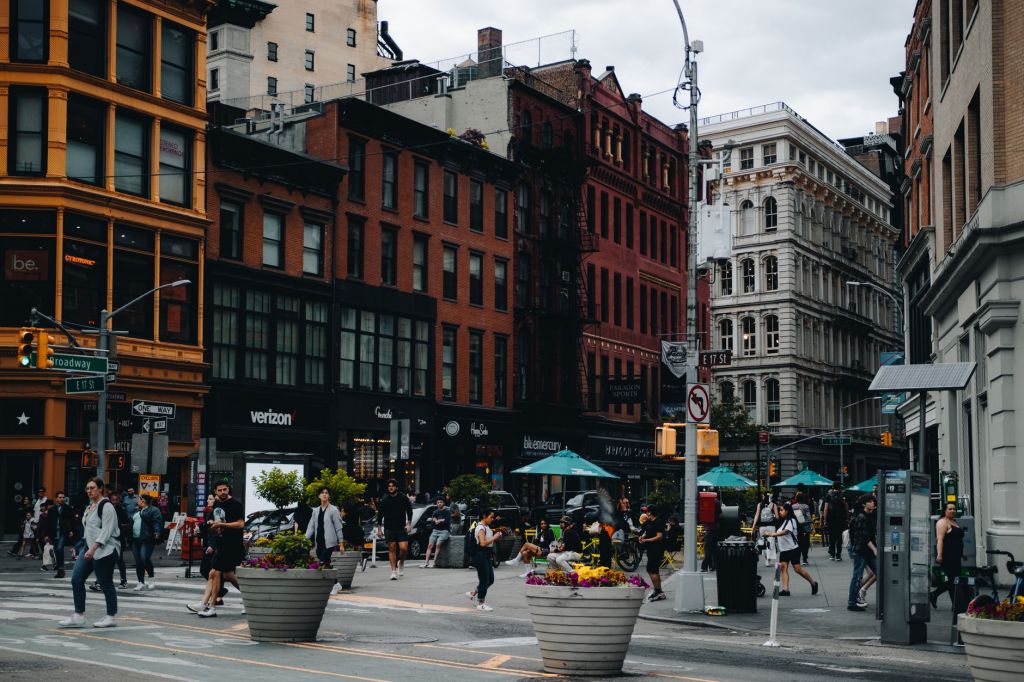
Exploring a new city is about more than ticking famous landmarks off a sightseeing list. For many travellers, the most rewarding experiences come from discovering how a city actually feels — its neighbourhoods, food, architecture, public spaces, culture and everyday way of life.
While organised tours and popular attractions can provide an excellent introduction, taking time to explore independently can reveal a different side of a destination.
Start With the Neighbourhoods
One of the best ways to understand a city is to spend time away from its busiest tourist areas. Exploring different neighbourhoods can reveal local architecture, independent shops, cafés, markets, parks and community spaces that may not appear in traditional travel guides.
Walking is particularly useful because it allows travellers to move at a slower pace and notice details that can easily be missed from a car or tour bus.
Walk When You Can
Walking remains one of the simplest ways to explore an unfamiliar city. It provides an opportunity to discover smaller streets, historic buildings and unexpected places while also giving travellers a better sense of the city’s layout.
Where walking long distances isn’t practical, public transport can offer another excellent way to experience a destination. Buses, trams, trains and underground systems allow visitors to travel beyond the central tourist districts while seeing how local residents move around their city.
Visit the Major Attractions — But Look Beyond Them
There is nothing wrong with visiting a city’s most famous landmarks. They are often famous for good reason and can provide important insight into its history and culture.
However, a balanced itinerary can include both major attractions and less well-known locations. A historic museum in the morning, for example, could be followed by an afternoon exploring a local market, park or neighbourhood.
This combination can create a much broader picture of the destination.
Eat Like a Local
Food is another important part of discovering a city. Local restaurants, cafés, bakeries and markets can provide insight into regional traditions and changing tastes.
Travellers do not necessarily need to seek out expensive restaurants. Sometimes a simple local dish, a market snack or a coffee in a neighbourhood café can become one of the most memorable parts of a trip.
Trying local food can also introduce visitors to ingredients and cooking traditions that are closely connected to the history of a particular region.
Leave Some Time Unplanned
One of the biggest mistakes travellers can make is filling every hour of their itinerary.
Having some unplanned time allows for spontaneous discoveries. A small bookshop, interesting gallery, quiet square or neighbourhood restaurant may never appear on a carefully planned itinerary, but could become a highlight of the trip.
Leaving room for spontaneity can also make travelling feel less like completing a schedule and more like genuinely experiencing a place.
Talk to People
Speaking with local people can provide perspectives that guidebooks cannot always offer. Hotel staff, restaurant employees, shopkeepers, museum workers and other residents may be able to recommend places that visitors might otherwise overlook.
Of course, travellers should always respect local customs, privacy and personal boundaries.
Research Before You Go
Independent exploration does not mean travelling without preparation. Learning a little about a city’s history, geography, transport system and local customs before arriving can make exploring considerably easier.
Checking opening times, transport information, local regulations and areas that may require additional caution can also help travellers avoid unnecessary problems.
Take Your Time
Perhaps the most important principle is simply to slow down.
Trying to see everything in a single visit can make a trip feel rushed. Spending more time in fewer places can allow travellers to develop a stronger connection with a destination.
The best city experiences are not always the ones that make the longest list of attractions. They can be found in a quiet street, an interesting conversation, a memorable meal or simply watching everyday life unfold.
The Bottom Line
There is no single correct way to explore a new city. The best approach is often a combination of planning and curiosity: visit the important landmarks, walk through different neighbourhoods, use public transport, try local food, speak to people and leave enough time for unexpected discoveries.
A city is more than its tourist attractions. To really experience it, sometimes the best thing a traveller can do is put the map away for a while and see where the day takes them.










Leave a Reply