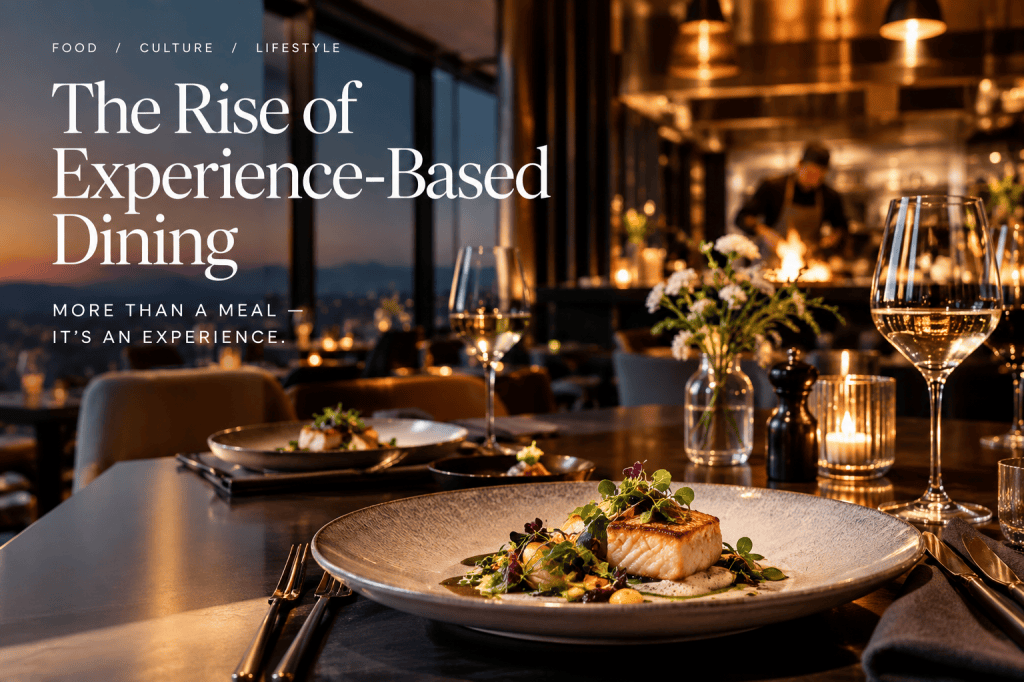
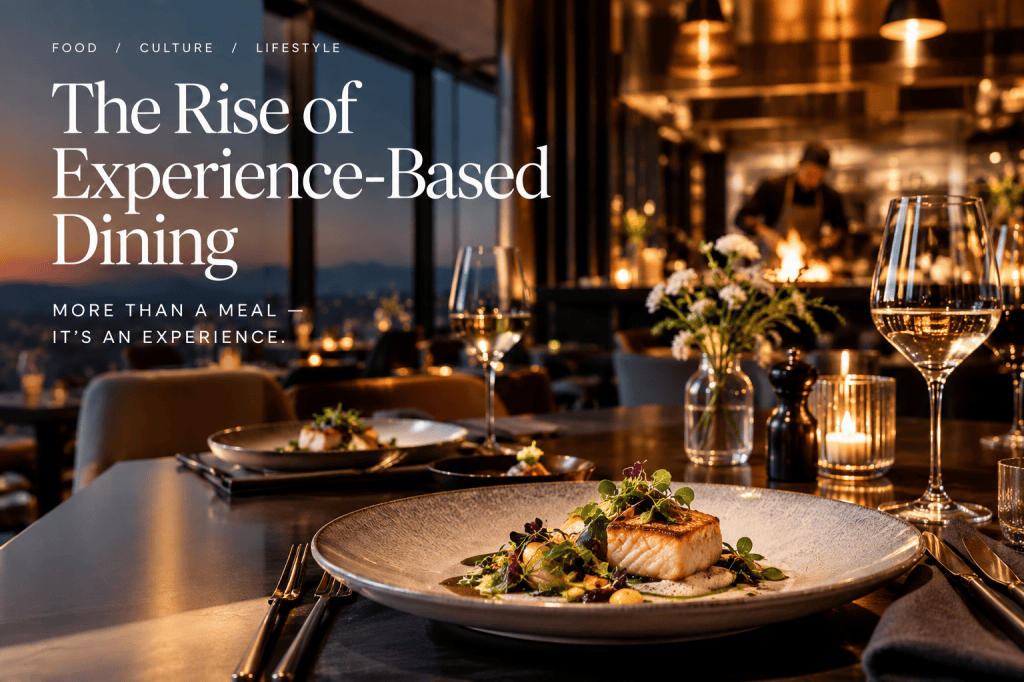
Dining out is increasingly becoming about more than what is served on the plate. Across restaurants, hotels and hospitality venues, a growing emphasis is being placed on creating memorable experiences that combine food with atmosphere, entertainment, design and social interaction.
The shift reflects changing consumer expectations. While food quality remains central to the restaurant experience, many diners are also looking for something distinctive that they can remember and share with others.
From Meal to Experience
Traditional restaurant dining has generally focused on the food, service and setting. Experience-based dining expands that idea by making the entire occasion part of the offering.
This can include themed restaurants, chef-led tasting menus, interactive cooking experiences, live entertainment, immersive interiors, unusual locations and carefully designed menus that tell a story.
Some restaurants have also introduced theatrical elements, with dishes presented as part of a wider narrative or served in unexpected ways. Others concentrate on creating highly distinctive environments, from dramatic interiors to intimate dining rooms designed around a particular cultural or culinary theme.
Social Media Has Played a Role
The growth of social media has also influenced the way restaurants approach design and presentation. Visually distinctive food, interiors and dining experiences can encourage customers to photograph and share their visits online.
However, the trend is not simply about creating an Instagram-friendly setting. For many diners, particularly those celebrating birthdays, anniversaries or other occasions, going out to eat is increasingly viewed as an opportunity to create a memorable event rather than simply purchase a meal.
Restaurants have responded by paying greater attention to lighting, music, table presentation, architecture and service alongside their menus.
The Growth of Tasting Menus
Tasting menus have become another important part of experience-based dining. Rather than ordering a single main course, diners can be taken through a sequence of dishes designed to showcase a chef’s approach and ingredients.
These menus can turn dinner into a longer and more structured occasion, with each course contributing to the overall experience.
Wine pairings, non-alcoholic pairings and specially selected beverages can add another layer, allowing restaurants to build a more complete culinary journey around the food.
Experiences Beyond Restaurants
Experience-based dining is also expanding beyond conventional restaurants. Food festivals, supper clubs, pop-up restaurants, farm-to-table events and chef collaborations give diners opportunities to experience food in different settings.
Hotels and other hospitality businesses have also incorporated specialised dining events into their offerings. These can range from seasonal dinners and afternoon tea experiences to private dining and culinary workshops.
The result is a broader definition of what eating out can mean.
Consumers Are Looking for Memorable Moments
The continued interest in experience-based dining reflects a wider change in consumer behaviour. Experiences have become an important part of leisure spending, with people often placing value on activities that provide memories, social connection or something different from everyday life.
Dining naturally fits into this trend because it combines several elements at once. It can provide food, entertainment, conversation and an opportunity to spend time with family, friends or partners.
For restaurants, creating a distinctive experience can also provide a way to differentiate themselves in an increasingly competitive hospitality industry.
Technology Is Adding New Possibilities
Technology is beginning to influence the sector as well. Digital menus, interactive displays, projection, personalised ordering systems and other forms of technology can be incorporated into dining environments.
Some venues are experimenting with immersive visual effects and digitally enhanced surroundings, while others are using technology behind the scenes to improve reservations, customer service and personalisation.
The challenge for restaurants is finding the right balance. Technology can enhance an experience, but it does not replace the importance of good food, attentive service and hospitality.
The Future of Dining
Experience-based dining is unlikely to replace traditional restaurants. Instead, it is becoming another part of a much broader hospitality landscape.
Some customers will continue to prefer a simple meal in a familiar restaurant, while others will seek out elaborate tasting menus, themed venues or unusual culinary experiences.
What the trend demonstrates is that dining out can serve different purposes. It can be about nourishment, convenience, celebration, socialising or discovery — and increasingly, it can be all of these things at once.
As restaurants continue to compete for customers, the ability to create a memorable experience alongside a strong menu is likely to remain an important part of modern hospitality.









Leave a Reply