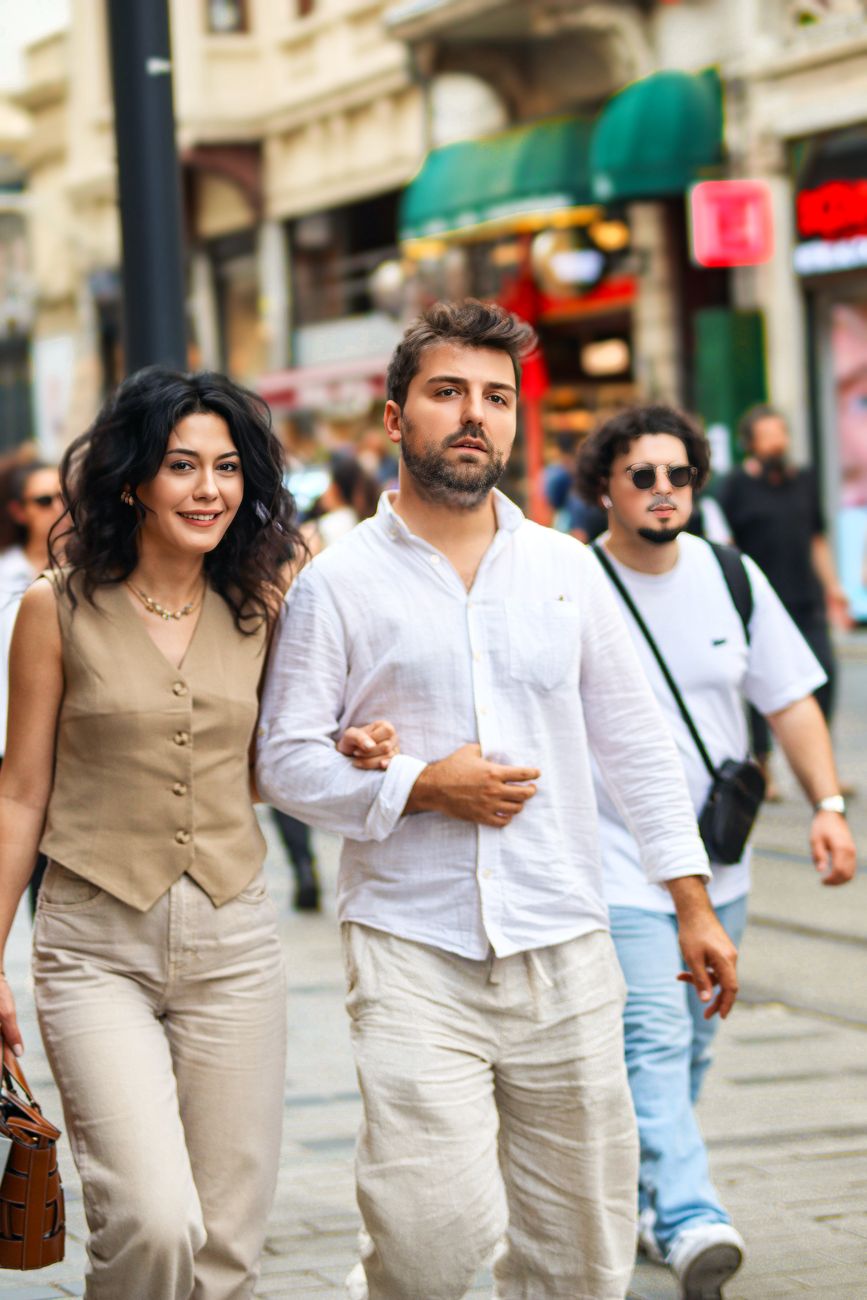
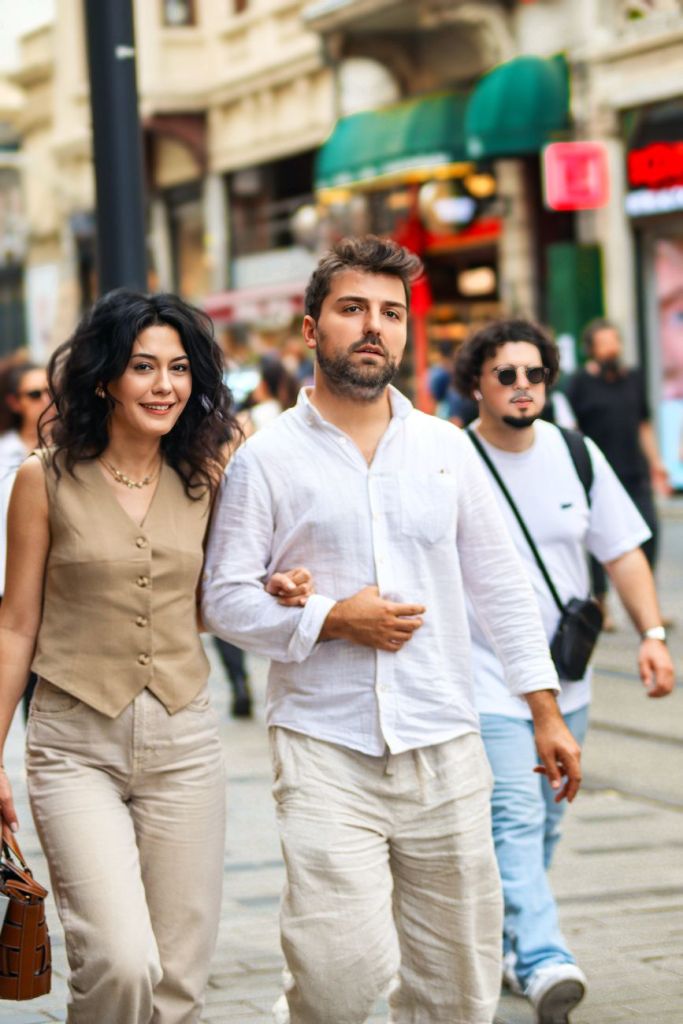
Fashion has never been exclusively about following trends. For many people, getting dressed is a way of expressing personality, confidence and individuality — and those qualities do not come with an expiry date.
As more people embrace personal style at every stage of life, the idea that fashion should become increasingly conservative with age is being challenged. Today, fashion after 40 is increasingly about knowing what works, understanding personal preferences and wearing clothes with confidence rather than following every passing trend.
Experience Can Shape Personal Style
One of the advantages of getting older is having more experience with clothing and fashion. People often become more familiar with the colours, silhouettes, fabrics and styles that make them feel comfortable and confident.
Rather than constantly experimenting with trends, many mature consumers develop a more defined personal aesthetic. This can make a wardrobe feel more intentional, with individual pieces selected because they genuinely suit the wearer rather than simply because they happen to be fashionable.
Personal style can therefore become less about seeking approval and more about self-expression.
Trends Don’t Have an Age Limit
There is no universal rule stating that particular trends belong exclusively to particular age groups. Fashion is constantly evolving, and designers and retailers increasingly present collections for a broad range of consumers.
Someone over 40 may choose to wear classic tailoring, while another person may prefer streetwear, denim, contemporary minimalism, vintage-inspired clothing or bold colours. None of these choices is inherently restricted by age.
The key difference is often how a trend is incorporated into an individual’s existing wardrobe.
A statement jacket, contemporary trainer, colourful accessory or modern pair of jeans can be combined with more traditional pieces to create a look that feels current without sacrificing personal identity.
Confidence Is Part of Style
Clothing can influence how people feel about themselves. Research into clothing and self-perception has explored the relationship between what people wear, their emotions and how they present themselves to others.
For many people, confidence grows when clothing feels authentic.
This is particularly relevant after 40, when individuals may have a clearer understanding of their preferences and a stronger sense of what makes them feel comfortable. Fashion can become an opportunity to celebrate that confidence rather than an attempt to appear younger.
Looking contemporary does not necessarily mean trying to look younger. It can simply mean dressing in a way that reflects who you are today.
Quality and Versatility Matter
As personal style develops, there can also be greater appreciation for quality and versatility.
Well-made coats, tailored trousers, comfortable knitwear, good-quality footwear and dependable accessories can provide the foundation for a wardrobe that works across different occasions.
This does not mean abandoning affordable fashion or avoiding experimentation. Instead, it can mean balancing investment pieces with more accessible items and choosing clothing based on how often it will actually be worn.
A versatile wardrobe can also make getting dressed easier, allowing individuals to concentrate on creating outfits rather than constantly searching for something new.
Fashion Is Becoming More Inclusive
The fashion industry has gradually become more diverse in the way it represents age. Mature models, older influencers and fashion personalities are increasingly visible in campaigns, editorial features and social media.
This wider representation reflects a broader understanding that fashion is relevant throughout adulthood.
People continue to change their tastes, lifestyles and priorities as they get older. Someone in their 40s, 50s, 60s or beyond may have just as much interest in fashion as someone in their twenties — and may bring decades of experience and confidence to the way they dress.
Dressing for Yourself
Perhaps the most important development in fashion after 40 is the growing emphasis on dressing for yourself.
Personal style does not need to be dictated by age, social expectations or assumptions about what someone “should” wear. It can be playful, sophisticated, understated, experimental or constantly evolving.
There is also no requirement to choose between comfort and style. Modern fashion offers an enormous range of clothing designed to combine practicality with contemporary design.
Ultimately, the most successful wardrobe is one that reflects the person wearing it.
Style Has No Expiry Date
Fashion trends will continue to come and go, but personal style can remain remarkably consistent while still evolving.
Turning 40 does not mean closing the door on fashion. If anything, it can mark a stage when personal style becomes more confident, considered and individual.
Age can bring experience, self-knowledge and a clearer understanding of what makes us feel good. Those qualities can become powerful foundations for great style.
Fashion is not reserved for a particular decade of life. Whether someone prefers timeless classics, contemporary trends, vintage clothing or a combination of everything, there is no age limit on expressing yourself through what you wear.
Style doesn’t have an expiry date — and neither does the freedom to enjoy fashion.









Leave a Reply