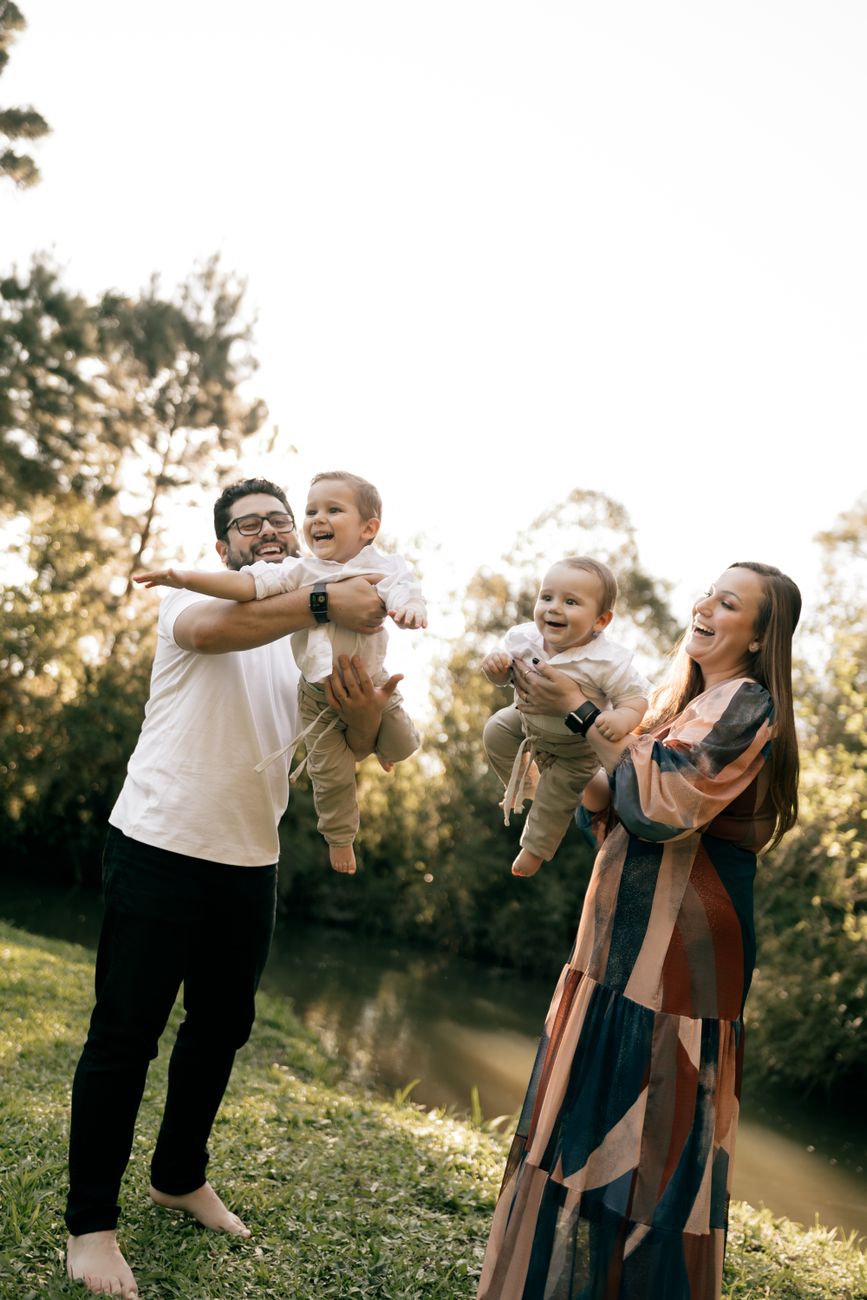
In a world where lifestyles are changing rapidly and families often have increasingly busy schedules, traditional family rituals continue to play an important role in everyday life. From shared meals and birthday celebrations to annual holidays, family recipes and simple weekly routines, traditions can provide a sense of continuity and connection.
Family traditions do not necessarily have to be elaborate. Something as simple as having Sunday lunch together, watching a particular film at Christmas or visiting the same place every summer can become meaningful when repeated over time.
Creating a Sense of Belonging
One of the most important roles of family traditions is creating a sense of belonging. Regular rituals can give family members shared experiences and memories that help reinforce their connection to one another.
For children in particular, predictable family routines can provide a sense of stability. Knowing that certain activities happen regularly can create familiarity during periods when other aspects of life may be changing.
Traditions can also extend beyond immediate family. Grandparents, cousins and close friends may become part of longstanding celebrations, helping maintain relationships between different generations.
Connecting Different Generations
Traditions can provide a link between generations by passing down customs, stories and experiences.
Family recipes are a good example. A particular meal may have been prepared by grandparents and later taught to their children and grandchildren. Alongside the recipe itself, the preparation can become an opportunity to share stories about previous generations.
The same can apply to celebrations, photographs, music, hobbies and places that have particular significance to a family.
These shared experiences can help younger family members understand more about their family’s history and where certain customs originated.
The Importance of Shared Time
Modern family life can be heavily influenced by work, school, technology and competing commitments. As a result, finding opportunities to spend uninterrupted time together can sometimes be difficult.
Family traditions create natural opportunities for people to put aside some of those distractions and spend time together.
A weekly meal, for example, does not have to involve expensive food or extensive preparation. Its value can come from the opportunity to sit together, talk and maintain a regular point of connection.
Traditions Can Adapt
Keeping a family tradition does not mean that everything has to remain exactly the same.
Families change as people grow older, move to different locations, form new relationships and develop different interests. Traditions can therefore evolve alongside them.
A tradition that once involved a large family gathering might eventually become a smaller celebration. A recipe might be adapted to accommodate changing dietary preferences, while an annual outing might move to a new location.
The underlying tradition can remain important even when its details change.
Building Lasting Memories
Many family traditions eventually become associated with memories rather than the activity itself.
Years later, people may remember a particular Christmas meal, a family holiday, a birthday ritual or an ordinary Sunday afternoon because of the people who were there and the experiences they shared.
These memories can become especially meaningful as family members grow older and circumstances change.
Not Every Tradition Has to Be Old
New traditions can be just as meaningful as those passed down through generations.
Families can create their own rituals based on their current circumstances and interests. This might include a monthly family meal, an annual day trip, a special birthday breakfast or simply setting aside one evening each week to spend time together.
What makes a tradition significant is often its consistency and the meaning attached to it, rather than how long it has existed.
A Changing World, Familiar Rituals
Family traditions are unlikely to remain completely unchanged as society evolves. However, their underlying purpose remains relevant: creating opportunities for people to connect, share experiences and maintain a sense of continuity.
In an increasingly fast-moving world, traditions can provide something relatively simple but valuable — a reason to slow down and spend time with the people who matter.
Whether it is a generations-old family celebration or a new ritual created by a young family, traditions can help turn ordinary moments into shared experiences and memories that last well beyond the occasion itself.









Leave a Reply