The idea of the home is changing. Increasingly, people are looking beyond traditional décor trends and creating dedicated spaces within their homes designed for rest, relaxation and personal wellbeing.
This growing trend, often described as the personal home retreat, reflects a wider interest in making everyday environments more comfortable and supportive of wellbeing. Rather than travelling to a spa or retreat centre, people are finding ways to create a sense of calm without leaving home.
From Spare Corners to Dedicated Spaces
A home retreat does not necessarily require a large house or expensive renovation. A spare bedroom, reading corner, balcony, garden, or even part of a living room can be adapted into a personal space for switching off.
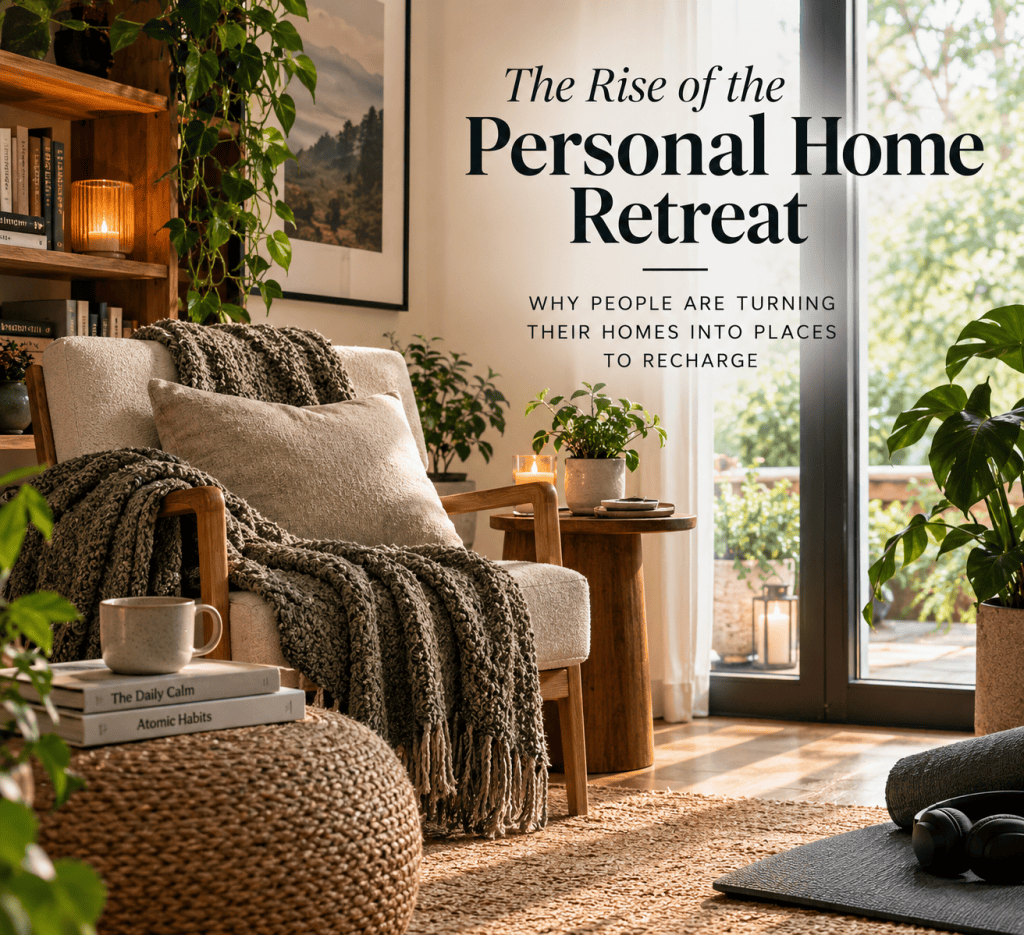
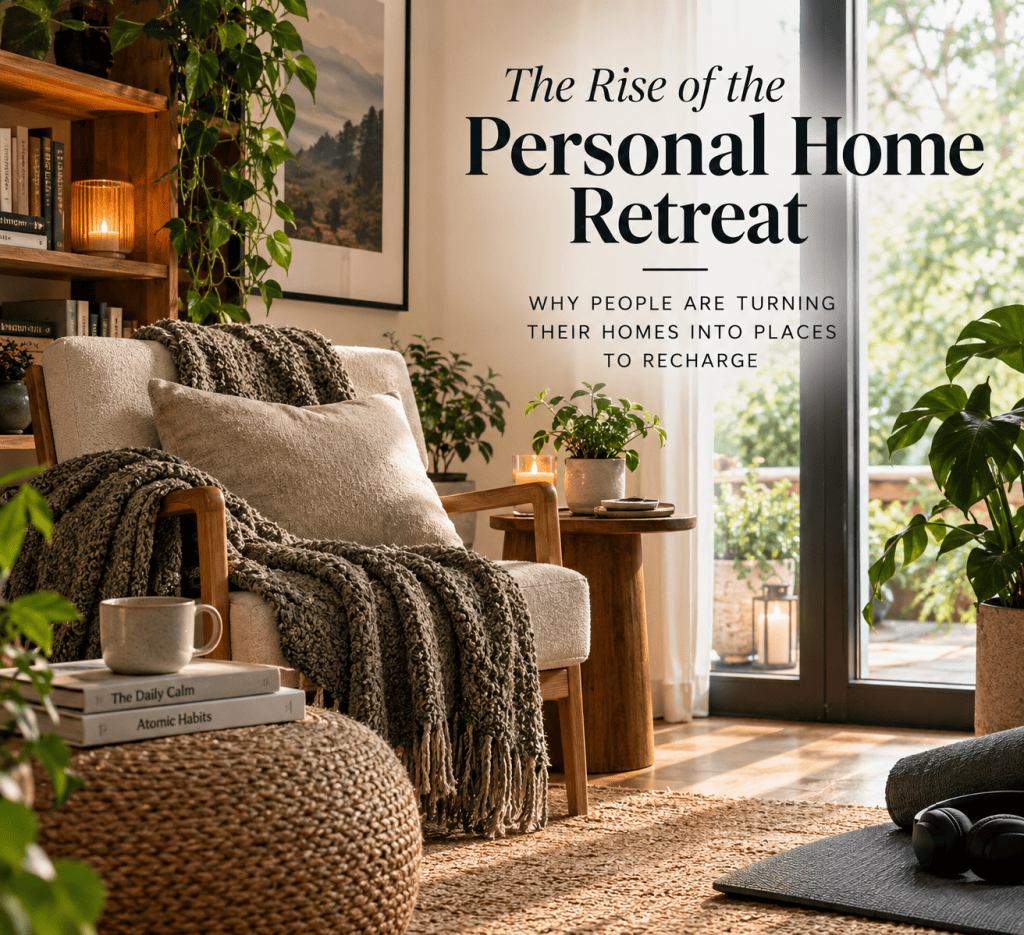
Common features include comfortable seating, softer lighting, books, plants, candles, music systems and natural materials. The emphasis is generally on creating an environment that feels separate from work, household responsibilities and digital distractions.
For some people, this may mean creating a quiet reading area. Others may use their space for meditation, stretching, listening to music, journalling or simply spending time without screens.
The Influence of Working From Home
The expansion of hybrid and home working has also influenced how people view their domestic surroundings.
For many workers, the home has become a place for employment as well as eating, sleeping and relaxing. While working from home can offer flexibility, the lack of physical separation between professional and personal life can make it harder to switch off.
Creating a designated relaxation area can provide a psychological distinction between working time and personal time, even when both take place under the same roof.
Wellness Without the Luxury Price Tag
Another factor behind the trend is the growing interest in affordable approaches to wellbeing.
Traditional retreats, hotels and spa experiences can be expensive, particularly when travel and accommodation are included. A home retreat offers an alternative that can be developed gradually.
Instead of purchasing expensive furniture or specialist equipment, people can work with items they already own. Rearranging furniture, reducing clutter, improving lighting or introducing plants can make a space feel noticeably different without requiring a major financial investment.
Technology Has a Role — and So Does Disconnecting
Technology can be part of a personal home retreat, with people using speakers for music, televisions for relaxing programmes or apps for meditation and relaxation exercises.
However, the trend also highlights the value of deliberately reducing digital stimulation.
Phones, tablets and computers can make it difficult to establish genuine periods of downtime. Some people therefore choose to leave their devices outside their retreat space or establish periods during the day when notifications are switched off.
The goal is not necessarily to eliminate technology, but to make its use more intentional.
Bringing Nature Indoors
Plants and natural materials are also common features of home retreat spaces. Indoor plants can introduce greenery into rooms, while wood, stone, cotton, linen and other natural-looking materials can contribute to a softer atmosphere.
Natural light is another important consideration. Where possible, positioning a relaxation area near a window can provide access to daylight and an outdoor view.
Gardens and balconies can also become extensions of the home retreat, providing opportunities to spend time outdoors without travelling elsewhere.
The Return of Simple Pleasures
The personal home retreat is ultimately less about creating a luxury environment and more about reclaiming time for simple activities.
Reading a book, listening to music, having a cup of tea, practising meditation, writing, gardening or simply sitting quietly can all become part of a personal routine.
This reflects a broader lifestyle movement towards slower, more intentional living, where relaxation is treated as something that can be incorporated into everyday life rather than reserved for holidays.
A Space Designed Around the Individual
Perhaps the defining feature of the personal home retreat is that there are no strict rules.
For one person, it may be a minimalist room with little furniture and no technology. For another, it could be a comfortable chair surrounded by books and music equipment. Someone else may find their ideal retreat in the garden.
The important principle is creating a space that supports genuine downtime and reflects the individual’s interests and routines.
As homes continue to serve multiple purposes, the personal retreat offers a way of establishing a small area dedicated specifically to rest. Rather than waiting for a holiday or expensive getaway to recharge, people are increasingly looking at the spaces they already have and asking how they can make them work better for everyday wellbeing.
The result is a simple but significant shift in home life: the home is no longer viewed solely as somewhere to live, but also as a place where people can deliberately create moments of calm, privacy and restoration.









Leave a Reply