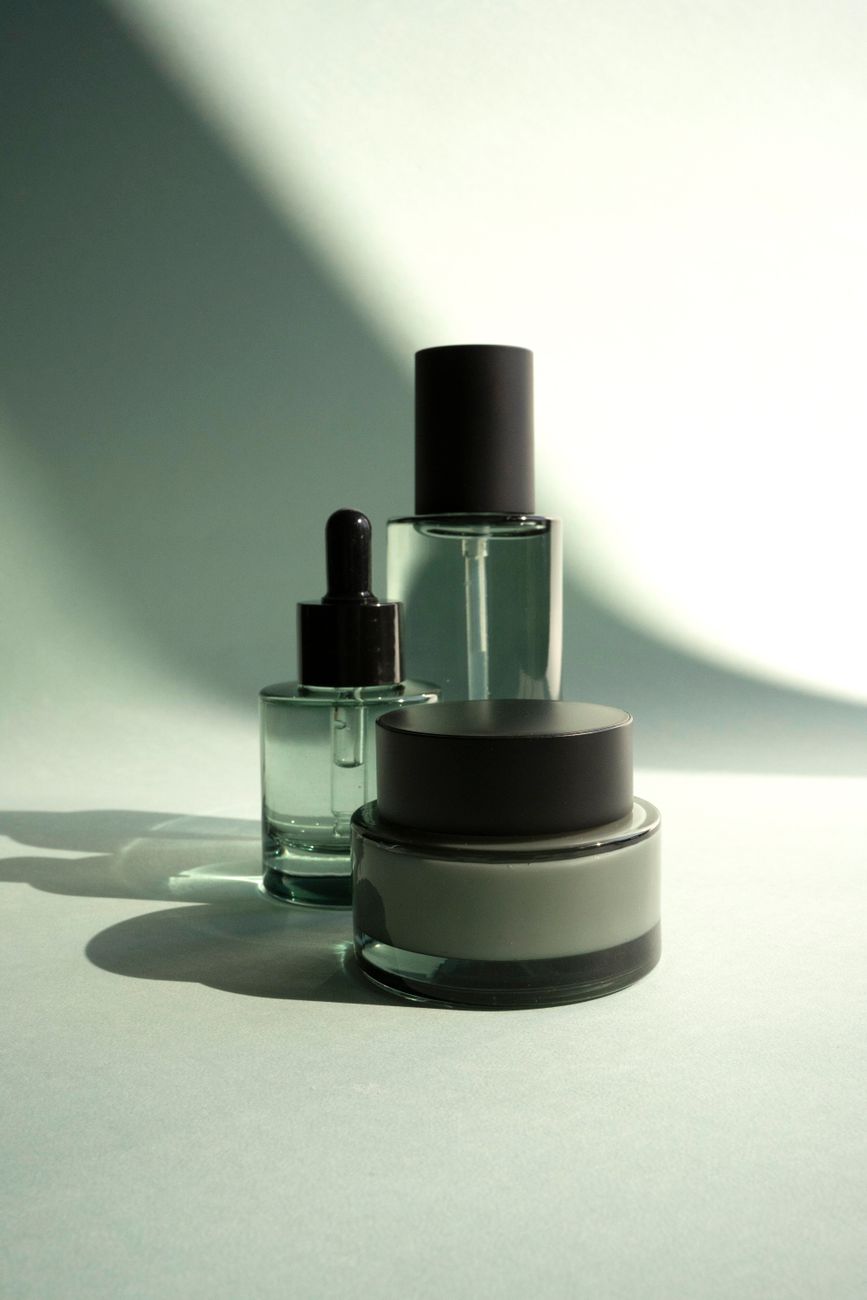
Skincare is increasingly being marketed as a universal part of personal wellbeing, with consumers moving away from traditional ideas that certain products are designed specifically for men or women.
For decades, the beauty industry often divided skincare into separate categories for men and women. Products aimed at men were commonly presented with darker packaging, traditionally masculine fragrances and straightforward claims around shaving, oil control or reducing signs of fatigue. Women’s skincare, meanwhile, was frequently associated with anti-ageing, hydration, cosmetics and more elaborate beauty routines.
That distinction is becoming less important.
Today, skincare is increasingly centred on skin type, individual concerns and ingredients rather than gender. Whether someone is male or female, their skin may be dry, oily, sensitive, combination or prone to conditions such as acne. These characteristics can be more relevant when choosing skincare products than gender.
Skin Doesn’t Follow Gender Categories
Human skin has biological differences that can sometimes be influenced by hormones, age and genetics, but there is considerable variation between individuals.
For example, testosterone can influence factors such as sebum production and skin thickness, meaning some men may experience oilier skin than some women. Hormonal changes can also affect women’s skin at different stages of life.
However, these differences do not mean that skincare products need to be divided into rigid male and female categories.
A moisturiser designed to support the skin barrier, for example, can be useful regardless of whether it is marketed towards men or women. The same applies to widely used skincare ingredients such as glycerin, ceramides, hyaluronic acid, niacinamide and sunscreen.
The Rise of Gender-Neutral Beauty
The growth of gender-neutral skincare reflects a broader change in the beauty industry.
Consumers are increasingly interested in what a product actually does rather than whether its packaging or advertising is aimed at a particular gender. Brands have responded by creating more minimalist packaging, neutral fragrances and product ranges based around specific skin concerns.
This has also coincided with greater awareness of skincare among men.
Men’s interest in grooming has expanded beyond traditional shaving products, with cleansers, moisturisers, exfoliators, serums and sunscreen becoming increasingly familiar parts of everyday personal care.
At the same time, women are also increasingly being encouraged to focus on skin health rather than simply cosmetic appearance.
Social Media Has Changed the Conversation
Social media has played a significant role in making skincare information more accessible.
Platforms such as TikTok, Instagram and YouTube have helped introduce consumers to skincare routines, ingredient explanations and dermatology content. Men in particular have become more visible within online skincare communities, helping challenge the idea that skincare is exclusively associated with women’s beauty.
However, the popularity of skincare content has also created challenges. Not every viral skincare recommendation is supported by strong scientific evidence, and consumers can sometimes be encouraged to purchase complicated routines containing numerous products they may not actually need.
Dermatologists and other qualified professionals generally emphasise that effective skincare does not necessarily require a large number of products.
Sunscreen Is for Everyone
One of the clearest examples of skincare becoming less gender-specific is sunscreen.
Sun protection is relevant to everyone because ultraviolet radiation can contribute to premature skin ageing and increases the risk of skin cancer. The need for protection is therefore based on exposure and individual circumstances rather than gender.
This has helped shift the conversation from skincare as a beauty product towards skincare as part of general health and preventative care.
The Business of Gender-Neutral Skincare
There is also a commercial reason for the shift.
Marketing products towards everyone rather than creating separate versions for men and women can give brands access to a broader customer base. Consumers may also appreciate being able to select products according to their needs without having to navigate heavily gendered branding.
For some shoppers, this can make skincare feel more practical and less intimidating.
Instead of asking whether a product is “for men” or “for women”, consumers can increasingly ask more useful questions: What is the product designed to do? What ingredients does it contain? Is it appropriate for my skin type? Is there evidence supporting its claims?
A More Individual Approach
The move away from gender-specific skincare does not mean biological differences should be ignored. Hormones, age, genetics and other factors can influence the way skin behaves.
Rather, the change reflects a move towards personalised skincare, where individual characteristics are considered more important than traditional marketing categories.
The modern skincare consumer is therefore less likely to view a cleanser, moisturiser or sunscreen as inherently masculine or feminine. Instead, the focus is increasingly on skin health, personal preference and evidence-based ingredients.
As the beauty and wellness industries continue to evolve, skincare is becoming less about who a product is supposedly designed for and more about what an individual’s skin actually needs.
Skincare, increasingly, is becoming personal rather than gender-specific.









Leave a Reply